
طراحی دانشکده پرستاری شهرستان گنبد کاووس
.jpg)
.jpg)
.jpg)
.jpg)
.jpg)
▪️ موقعیت: گنبدکاووس
▪️ مساحت زیربنای پروژه: 3700 متر مربع
▪️ سال طراحی پروژه: 1403
▪️ کارفرما: دانشگاه علوم پزشکی و خدمات بهداشتی و درمانی استان
▪️ کاربری: آموزشی
▪️ رویکرد طراحی: عملکردگرا و زمینه گرا
پروژه دانشکده پرستاری در شهرستان گنبد کاووس، یکی از شهرستانهای مهم استان گلستان، واقع شده است. این شهرستان که در شمال شرقی ایران قرار دارد، به دلیل پیشینه تاریخی و موقعیت جغرافیایی خاص خود، از اهمیت بالایی برخوردار است.
مکان پروژه در شمال گنبد کاووس و در نزدیکی بیمارستان پیامبر اعظم واقع شده است. این نزدیکی، فرصت مناسبی برای برقراری ارتباط مستقیم و موثر بین دانشکده پرستاری و بیمارستان فراهم میآورد. چنین همجواری، امکانات آموزشی و عملی لازم برای دانشجویان را بهبود میبخشد و باعث ایجاد همافزایی میان آموزش و درمان میشود.
هدف از احداث این دانشکده، پاسخ به نیازهای عملکردی دانشجویان پرستاری میباشد. یکی از مهمترین چالش هایی که با آن مواجه ایم، کمبود فضای آموزشی و آزمایشگاهی در شهرستان گنبد کاووس است. طراحی دانشکده پرستاری نیازمند توجه به چندین عامل مهم از جمله هویت فرهنگی منطقه، نیازهای عملکردی، سازگاری اقلیمی و همچنین روانشناسی محیط برای ارتقاء تجربه آموزشی دانشجویان میباشد.
دسترسیها و ویژگیهای موقعیت مکانی پروژه
دسترسی اصلی پروژه از جبهه جنوبی سایت است. این موقعیت باعث تسهیل در تفکیک حرکتهای دانشجویان، کارکنان و بازدیدکنندگان میشود. همچنین، نزدیکی به میدان شهری در جنوب شرقی سایت، ارتباط با سایر مناطق شهر را آسانتر کرده و دسترسی عمومی به دانشکده پرستاری را بهبود میبخشد.
شرایط اقلیمی گنبد کاووس و تأثیر آن بر طراحی
اقلیم گنبد کاووس ترکیبی از هوای سرد و معتدل در پاییز و زمستان و گرم و شرجی در بهار و تابستان است. در بسیاری از ماههای سال، شرایط زندگی در این منطقه خارج از محدوده آسایش اقلیمی است. بهطور مثال، در ماههای فروردین، اردیبهشت، مهر و آبان، شرایط آسایش نسبی وجود دارد؛ اما در سایر ماهها، نارضایتی اقلیمی مشاهده میشود که منجر به افزایش مصرف انرژی برای گرمایش و سرمایش میگردد.
اصول طراحی اقلیمی در دانشکده پرستاری
برای بهینهسازی مصرف انرژی و ارتقای آسایش در طراحی دانشکده پرستاری گنبد کاووس، اصول زیر مدنظر قرار گرفته است:
- استفاده از نور خورشید برای گرمایش ساختمان در زمستان.
- جلوگیری از اتلاف حرارت از طریق درزگیری پنجرهها و درها.
- طراحی بامهای مسطح برای کاهش نفوذ گرما در تابستان.
- بهرهگیری از مصالح عایق حرارتی برای بهبود تعادل دمایی ساختمان.
- ایجاد سایهبانها و فضاهای سبز برای کاهش تاثیر تابش خورشید.
طراحی فضای آموزشی و نیازهای دانشکده پرستاری
برآورد فضایی دانشکده پرستاری بر اساس استانداردهای تعریفشده شامل مساحت کلاسهای نظری، آزمایشگاهها، و سایر فضاهای موردنیاز برای پاسخگویی به نیازهای 230 دانشجوی کارشناسی پرستاری است. این برآوردها با توجه به عواملی همچون تعداد دانشجویان، متوسط ساعت حضور، و نرخ اشغال فضاها انجام شده است.
هدف اصلی در طراحی این دانشکده، ایجاد تعادل میان مساحت اختصاصیافته و بهرهوری حداکثری از فضاها است. همچنین، تلاش شده تا محیطی امن، کاربردی و متناسب با نیازهای آموزشی دانشجویان فراهم گردد.
کانسپت طراحی دانشکده پرستاری گنبد کاووس
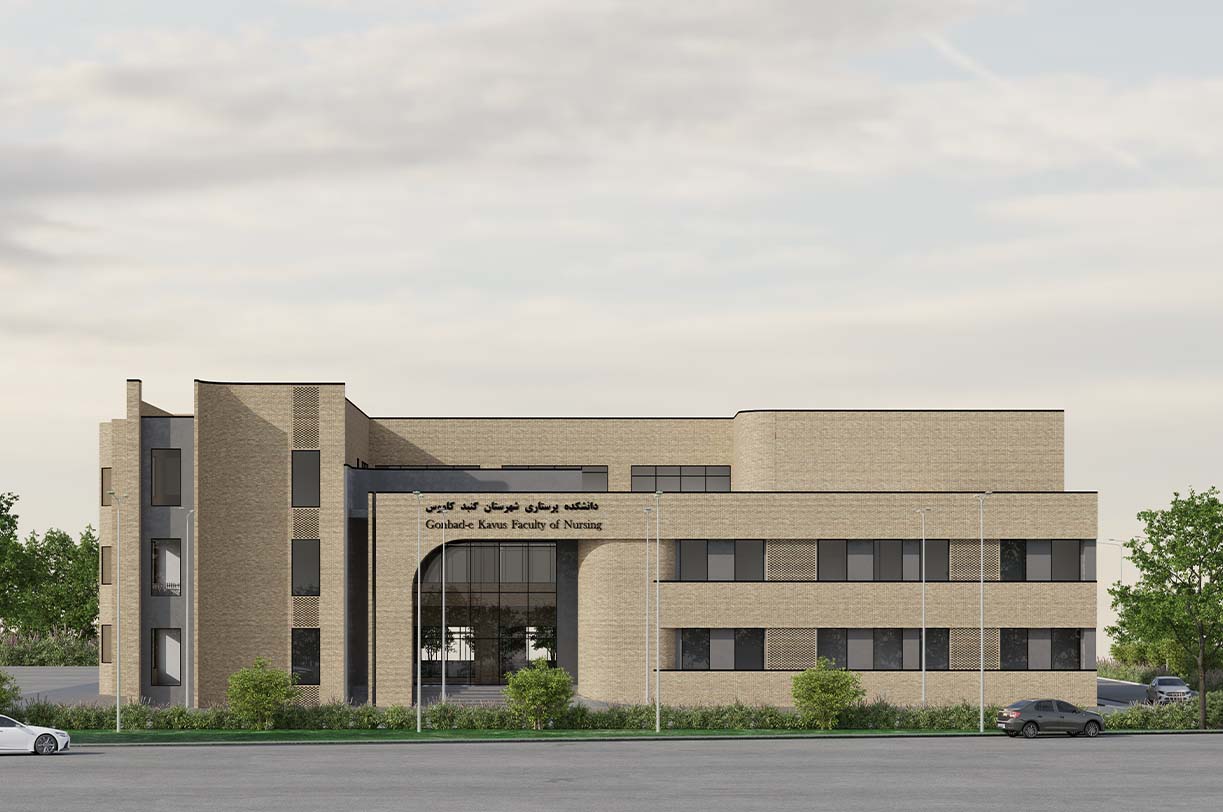
طراحی دانشکده پرستاری گنبد کاووس بر پایه حفظ هویت فرهنگی منطقه و سازگاری با شرایط اقلیمی انجام شده است. الهام از معماری تاریخی، بهویژه برج گنبد قابوس، از ویژگیهای برجسته این طرح است. در این راستا، طراحی با استفاده از فرمهای ساده، عمودی و مصالح مدرن، تاریخ و مدرنیته را به تصویر میکشد.
- الهام از معماری سنتی منطقه:
طراحی نما با استفاده از آجرهای مدرن که یادآور معماری سنتی ایرانی است، انجام شده است. - طراحی خطی فضاهای آموزشی:
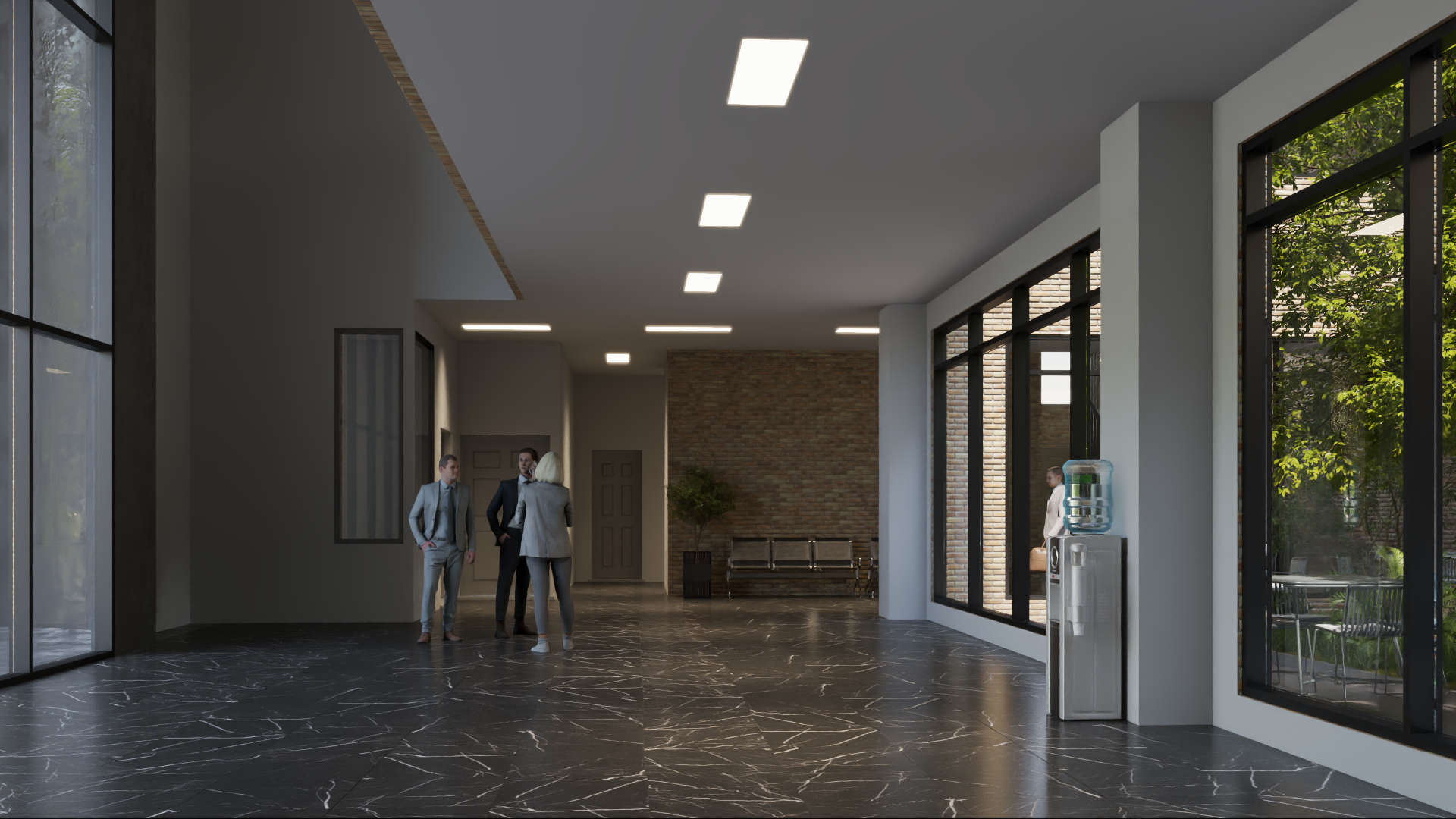
فضاهای آموزشی بهصورت خطی طراحی شدهاند که توالی و ارتباط مستقیم بین کلاسها و آزمایشگاهها را تسهیل میکند. این طراحی به بهبود تهویه طبیعی و نوررسانی کمک میکند. - تعامل با فضای سبز:
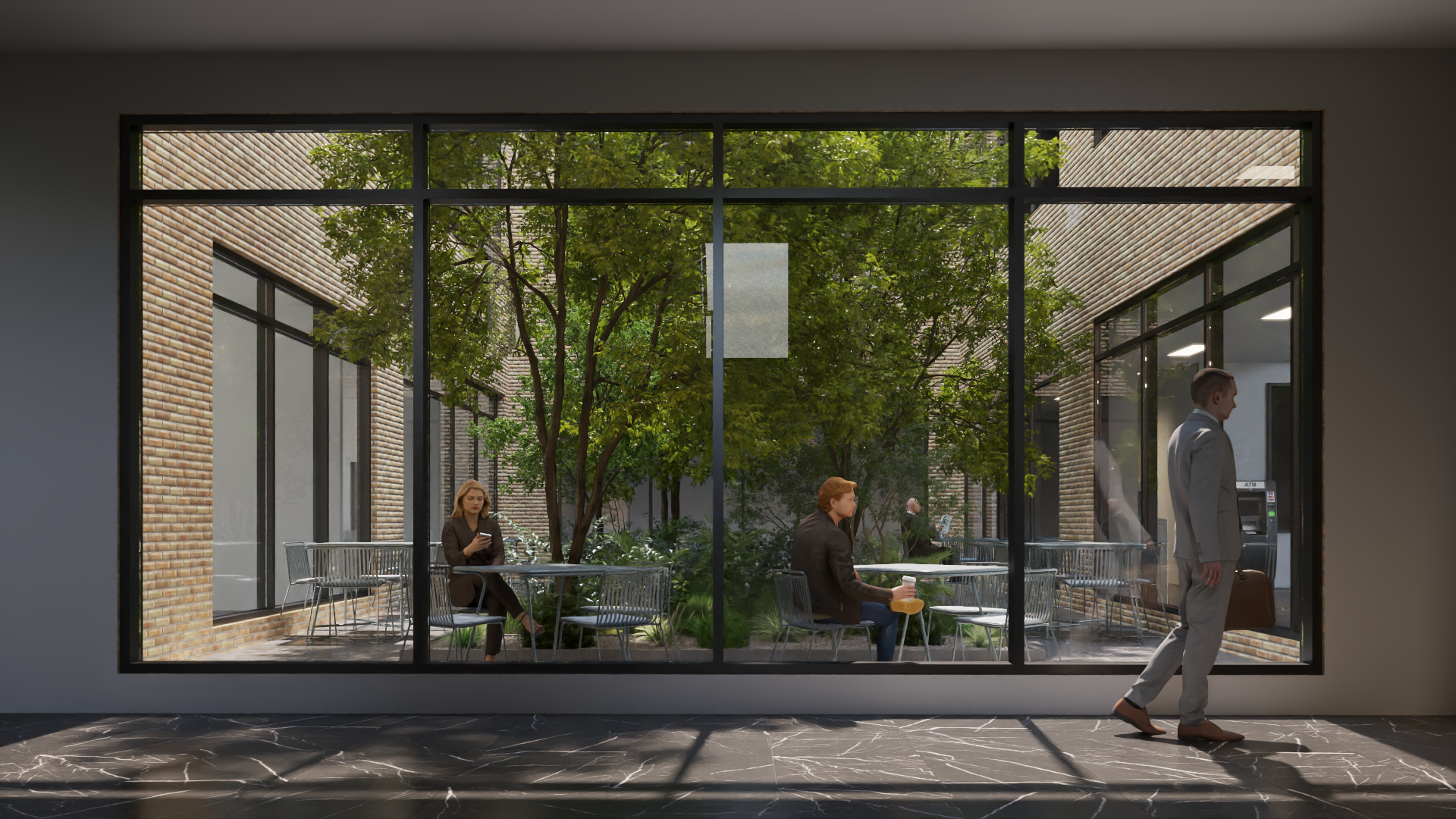
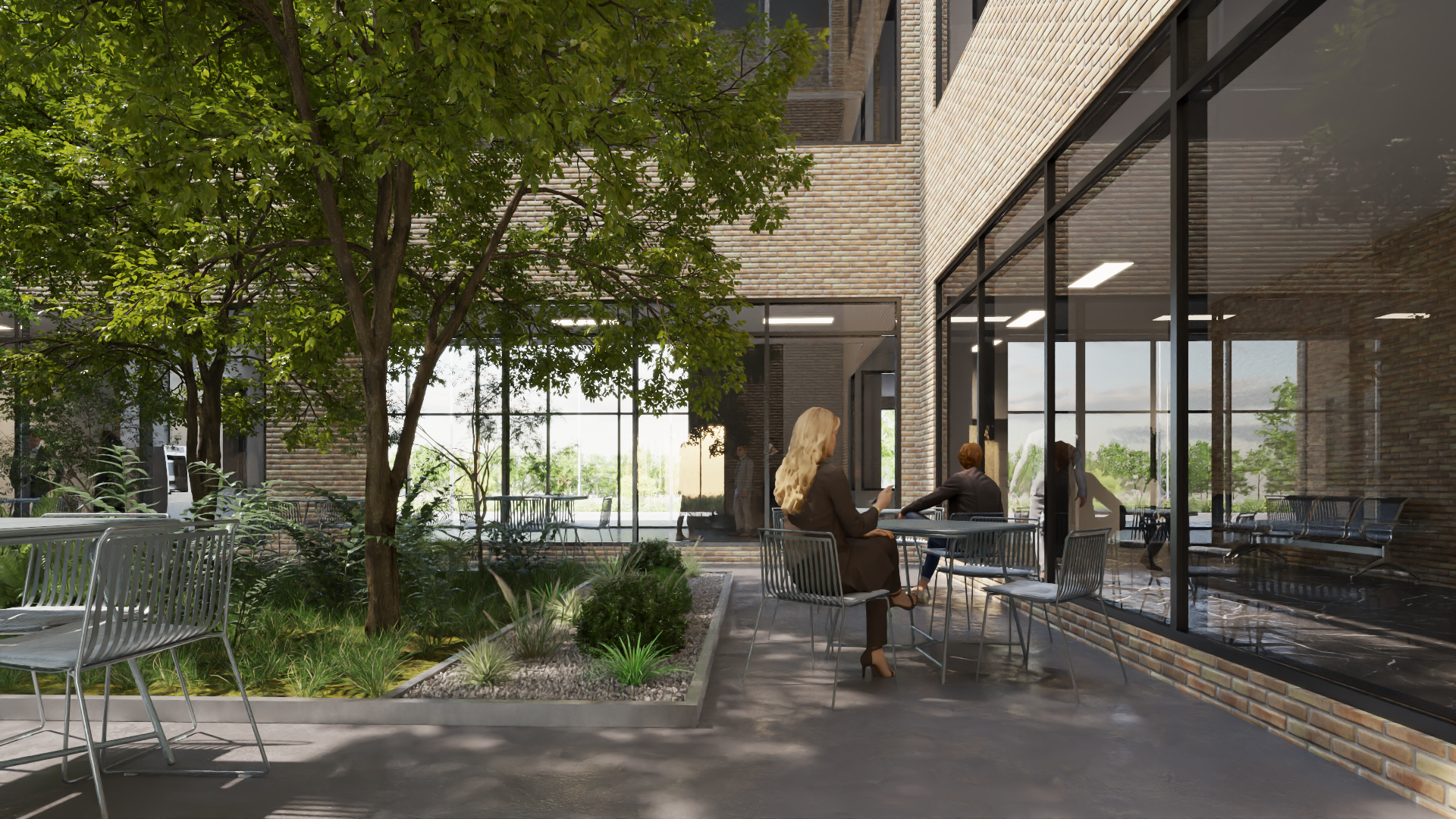
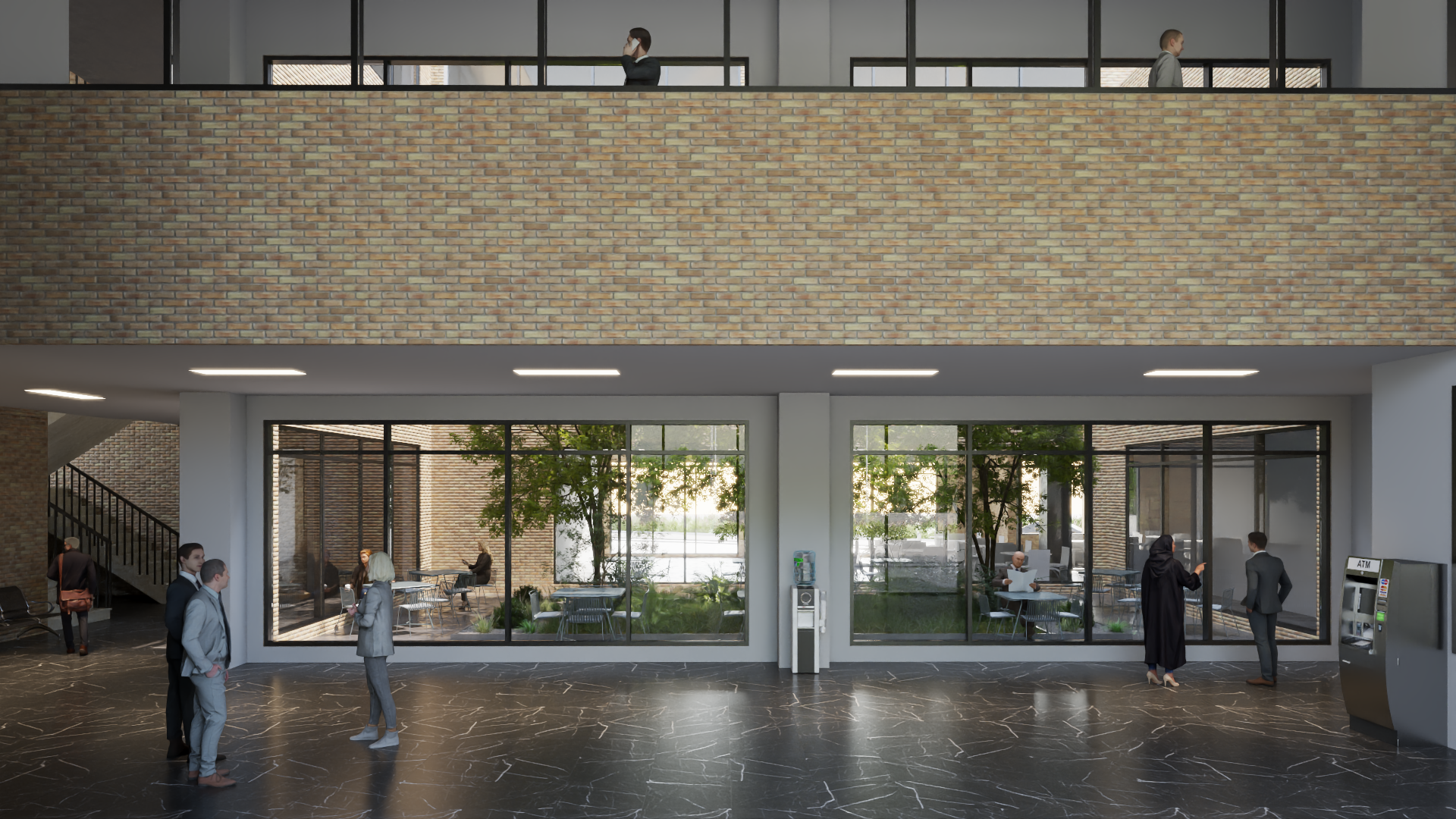
ایجاد حیاط مرکزی بهعنوان عنصر کانونی ساختمان، علاوه بر افزایش تعاملات اجتماعی دانشجویان، به تهویه طبیعی و خنکسازی محیط نیز کمک میکند.
در قلب دانشکده پرستاری گنبد کاووس، حیاط مرکزی بهعنوان عنصری کلیدی قرار گرفته است؛ فضایی درونگرا که علاوهبر کارکرد اقلیمی/عملکردی، نقشی مؤثر در افزایش آرامش روانی و بهبود کیفیت حضور دانشجویان ایفا میکند. الهامگرفته از معماری سنتی ایرانی و با هدف انطباق با اقلیم گرم و خشک منطقه، این فضا با جریان طبیعی هوا، نور مناسب، و کاهش دما به عنوان یک فضای تنفسی عمل میکند و با سایهاندازی، آب یا پوشش سبز، بستری مطلوب برای استراحت، مطالعه و تعاملهای روزمره فراهم میسازد.
در طراحی دانشکده پرستاری، استفاده از آجر بهعنوان متریال بومی با توجه به ظرفیت حرارتی بالا و هماهنگی با اقلیم گرم و خشک شهرستان گنبد، نقش مؤثری در بهینهسازی انرژی ایفا میکند. همچنین، الهام از فرم منحنی برج تاریخی قابوس در طراحی پوسته نما، تلاشی است برای بازتاب هویت معماری منطقه و ایجاد پیوندی معنادار میان سنت و عملکرد معاصر.
پروژه دانشکده پرستاری گنبد کاووس با هدف ترکیب معماری مدرن و سنتی، توجه به اقلیم منطقه و افزایش بهرهوری فضاهای آموزشی طراحی شده است. این پروژه علاوه بر رفع نیازهای آموزشی، فضایی پویا و سازگار با محیط ایجاد کرده و در راستای اهداف بلندمدت آموزشی و درمانی منطقه گام برمیدارد.

▪️ Location: Gonbad-e Kavus
▪️ Built-up Area: 3,700 sqm
▪️ Year of Design: 2024 (1403 in the Iranian calendar)
▪️ Client: Golestan University of Medical Sciences
▪️ Usage: Educational
▪️ Design Approach: Functional and Contextual
Project Overview
The Nursing School project is located in Gonbad-e Kavus, one of the most prominent cities in Golestan Province, northeastern Iran. Due to its rich historical background and unique geographic position, the city holds significant strategic and cultural value.
The project site is situated in the northern part of Gonbad-e Kavus, near Payambar-e Azam Hospital. This close proximity offers a valuable opportunity for direct and effective integration between the nursing school and the hospital, enhancing both academic learning and hands-on training, and creating a synergy between education and healthcare services.
Project Objectives and Challenges
The main purpose of this project is to address the functional needs of nursing students in Gonbad-e Kavus. One of the major challenges in the region is the lack of adequate educational and laboratory space. The design of the nursing school considers key factors such as the cultural identity of the region, functional efficiency, climatic adaptability, and environmental psychology to enhance the overall learning experience.
Site Access and Location Features
The primary access to the site is from the southern edge, which helps organize the movement of students, faculty, and visitors efficiently. The site's proximity to a public square in the southeast also facilitates easy connection to other parts of the city, improving public accessibility.
Climatic Considerations
Gonbad-e Kavus experiences a mixed climate: cold and moderate in fall and winter, hot and humid in spring and summer. For much of the year, the climate falls outside the thermal comfort zone. Months like April, May, October, and November offer relative comfort, but the rest of the year requires considerable energy for heating and cooling.
Climate-Responsive Design Strategies
To reduce energy consumption and improve comfort, the following passive design strategies were applied:
-
Maximizing solar gain in winter for natural heating
-
Minimizing heat loss through well-sealed windows and doors
-
Designing flat roofs to reduce heat infiltration in summer
-
Using high-performance thermal insulation materials
-
Creating shaded areas and green spaces to reduce solar impact
Educational Space Planning
The spatial requirements of the nursing school were developed based on standards that accommodate 230 undergraduate students. These include lecture halls, laboratories, and support facilities. Space planning was guided by student population, usage patterns, and occupancy rates, with the aim of maximizing efficiency while providing a safe and functional learning environment.
Design Concept
The design of the Gonbad-e Kavus Nursing School is rooted in regional cultural identity and climatic adaptability. Inspired by the architectural heritage of the area—particularly the historic Gonbad-e Qabus tower—the design blends tradition with modernity through the use of simple, vertical forms and contemporary materials.
Key design features include:
-
Cultural Inspiration: The facade uses modern brickwork reminiscent of traditional Iranian architecture.
-
Linear Educational Layout: Educational spaces are arranged linearly to create a logical flow between classrooms and labs, improving ventilation and natural lighting.
-
Integration with Green Spaces: A central courtyard serves as the heart of the building, encouraging social interaction, enhancing natural airflow, and improving environmental comfort.
The Courtyard: A Central Element
At the core of the school is a courtyard—a semi-enclosed space that plays a key functional and psychological role. Drawing from traditional Iranian architecture and tailored for the region’s hot, dry climate, this space provides shade, facilitates airflow, and serves as a relaxing area for study, rest, and social interaction. Water features and vegetation enhance its cooling effect, making it a vital breathing zone within the school.
Material and Architectural Language
Brick, a local material with high thermal capacity, is used for its harmony with the climate and energy performance. The curved facade takes inspiration from the form of the historic Gonbad-e Qabus tower, symbolizing a meaningful dialogue between cultural heritage and contemporary functionality.
Conclusion
The Gonbad-e Kavus Nursing School project is a synthesis of traditional and modern architecture, tailored to the local climate and educational needs. It provides a dynamic, context-sensitive environment that supports both the academic and healthcare goals of the region, paving the way for long-term development in medical education and community health.