logo-header

پروژه های آزما

Shed projects

شرکت مهندسی مشاوره آزما بیش از دو دهه است که فعالیت خود را با هدف ارائه خدمات مشاوره ای در زمینه معماری و شهرسازی آغاز نموده است. گروه مهندسین مشاور شهرسازی آزما با تلاش و فعالیت مستمر از سال 1392، تجربه های زیادی در داخل و خارج کسب نموده است و توانسته دانش فنی خود را به بالاترین سطح ارتقا دهد.

طراحی پروژه شهرک مسکونی قزاقستان

طراحی پروژه شهرک مسکونی قزاقستان

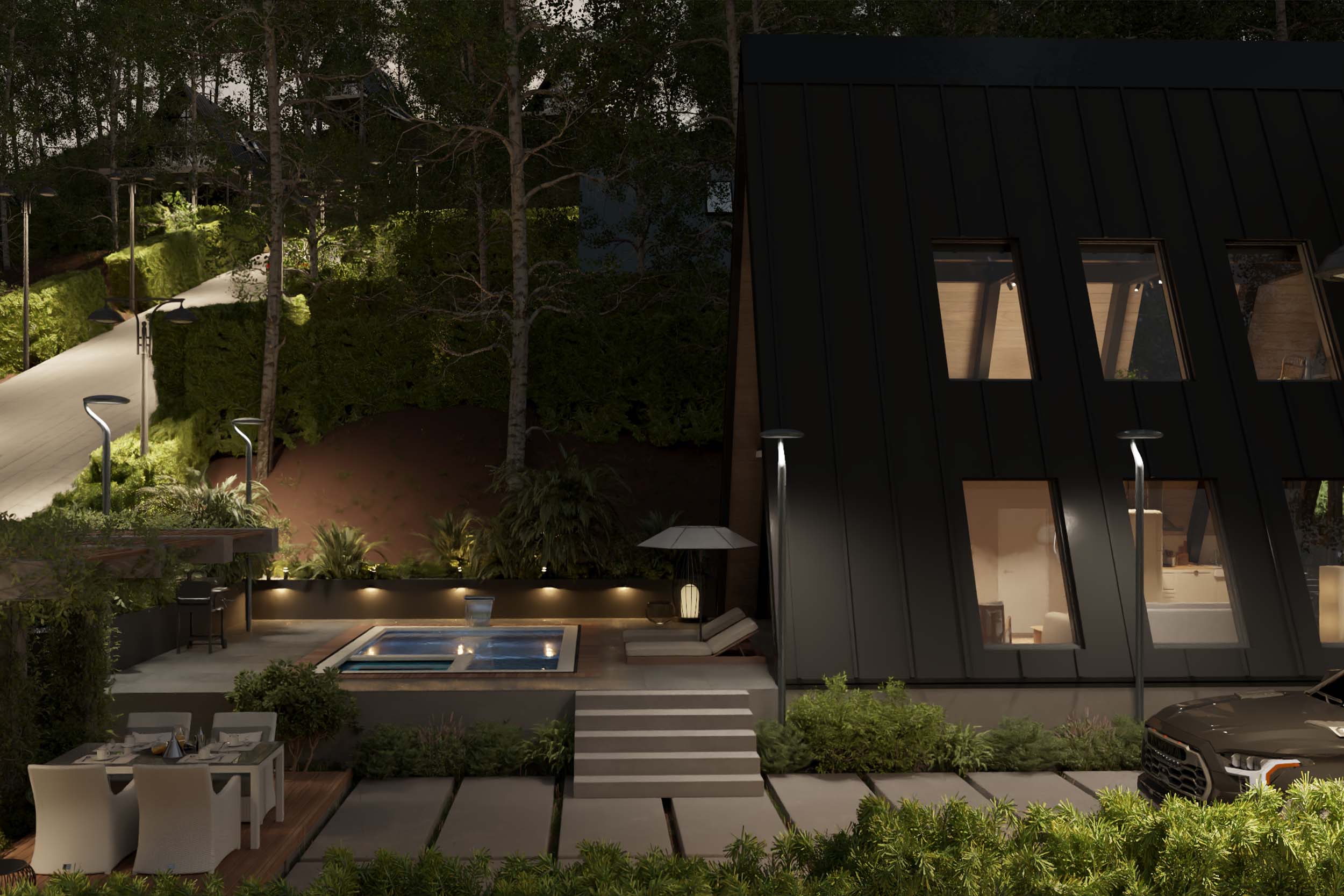
سکونت‌گاه SOLEA: جایی که نور، روح و طبیعت در معماری هم‌نوا می‌شوند

در قلب طبیعت بکر حومه آلماتی، پروژه‌ی «SOLEA» متولد شده است؛ نامی که خود حامل فلسفه‌ای عمیق از زندگی‌ست. ترکیب واژگان «SOL» و «SOLAR» یادآور انرژی، گرما و روشنایی خورشید است؛ نمادی از پایداری و هماهنگی با طبیعت. واژه‌ی «SOUL» به فضا عمق، احساس و پیوند انسانی می‌بخشد و پایان «EA» با طنین نرم و سیال خود، لطافت، سادگی و خلوص عنصری را تداعی می‌کند. SOLEA تنها یک نام نیست؛ تجربه‌ای زیستی‌ست که در آن نور، ریتم و روح در قالب معماری مدرن به هم می‌پیوندند.

طراحی معاصر در دل طبیعت

با وجود زیبایی طبیعی دریاچه‌ی اطراف، منطقه فاقد زیرساخت‌های لازم برای گردشگری و فعالیت‌های تفریحی گسترده است. SOLEA با هدف ارتقاء کیفیت زندگی، توسعه‌ی پایدار و جذب گردشگران، مجموعه‌ای جامع را طراحی کرده که هم رفاه عمومی را ارتقاء می‌دهد و هم فرصت‌هایی نو برای تفریح، آموزش و سلامت فراهم می‌سازد.

این سکونت‌گاه فرصتی منحصربه‌فرد برای زندگی در خانه‌ای مدرن و دل‌پذیر در نزدیکی آلماتی فراهم می‌کند. ساکنان می‌توانند از هوای پاک، مناظر چشم‌نواز و آرامش دور از هیاهوی شهری بهره‌مند شوند. خانه‌های اکولوژیک این مجموعه، با امکاناتی thoughtfully designed، محیطی ایده‌آل برای زندگی خانوادگی و لذت از فضای باز فراهم کرده‌اند.

ترکیب عملکرد و زیبایی‌شناسی

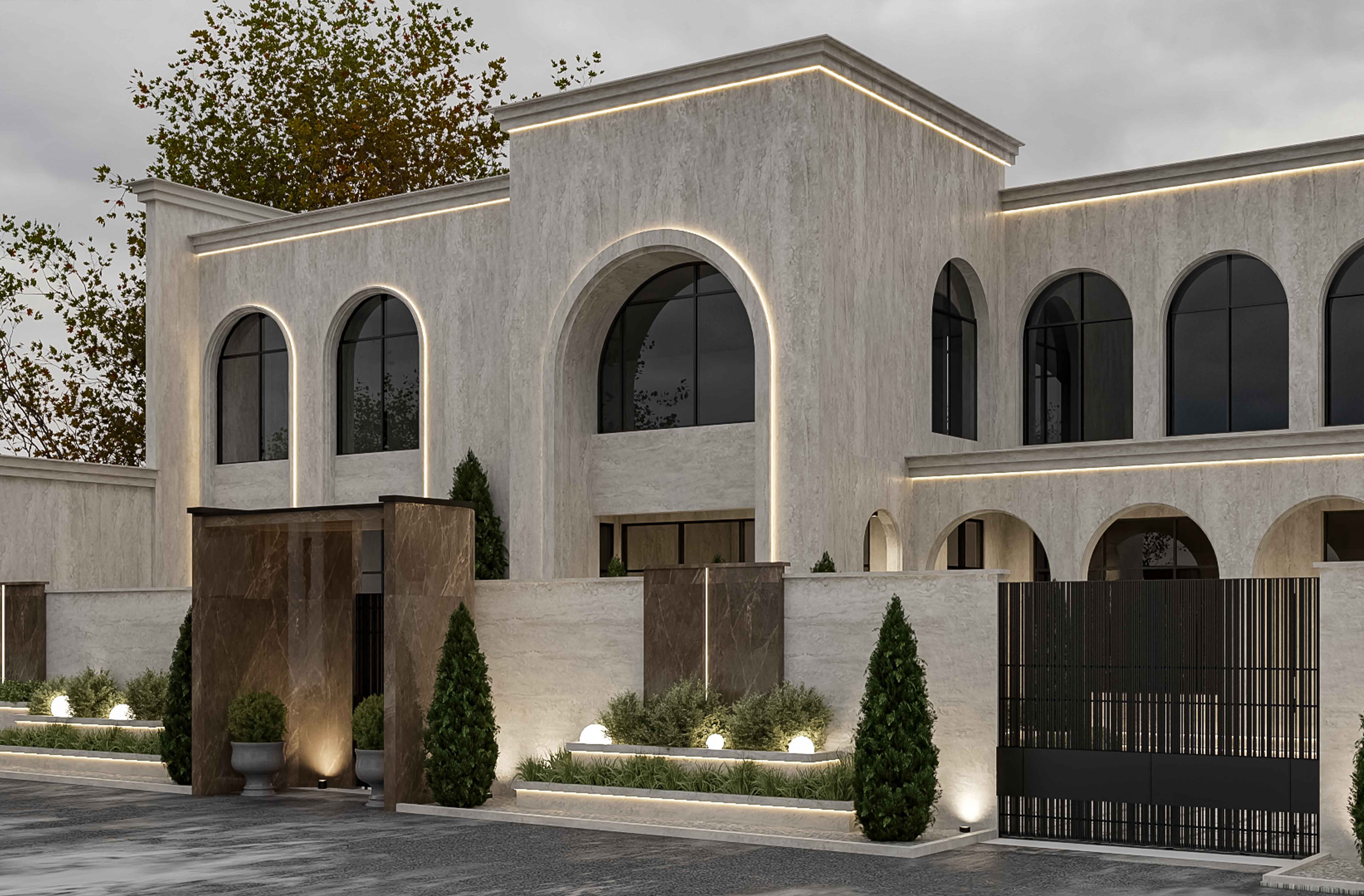
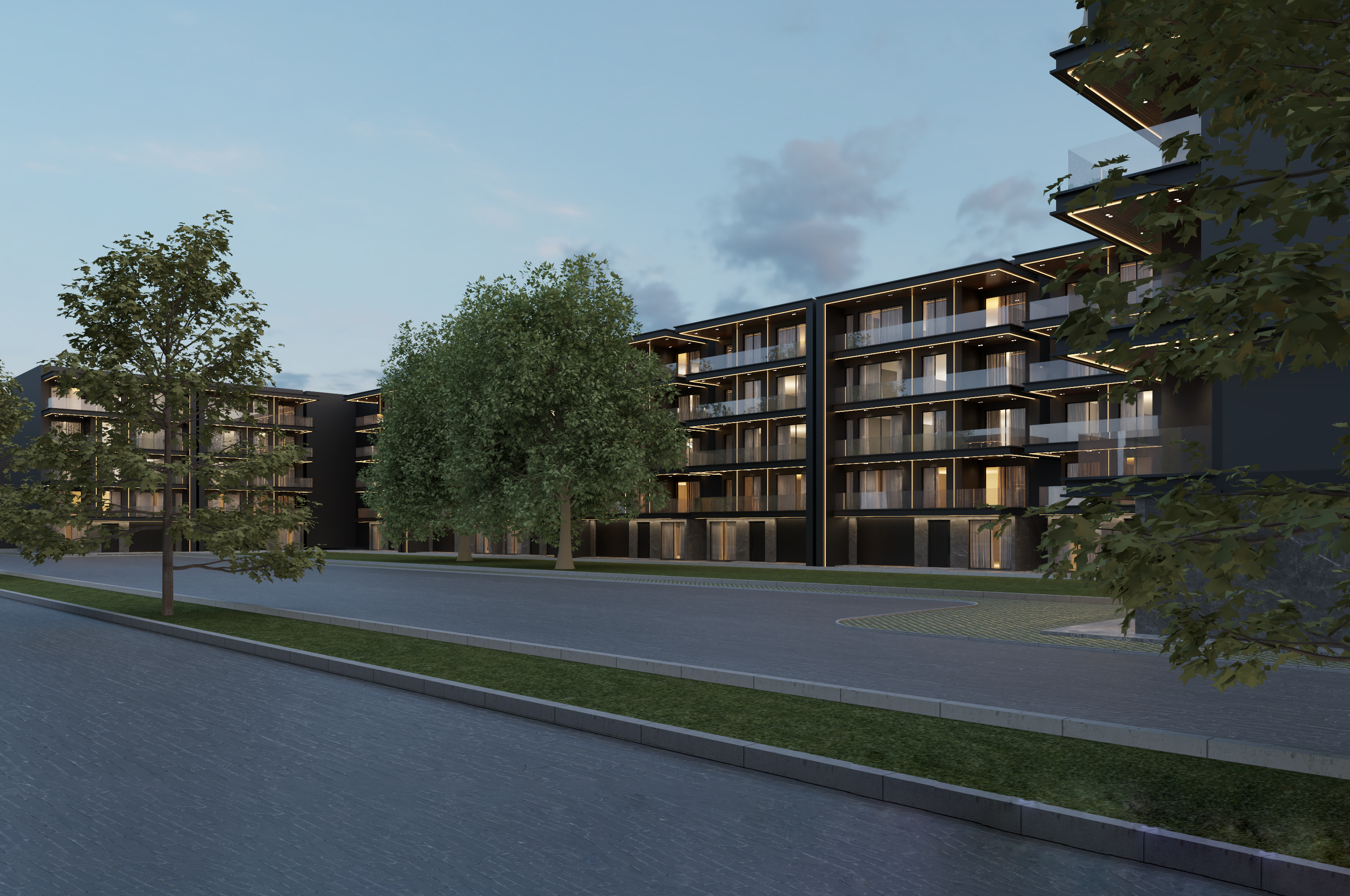
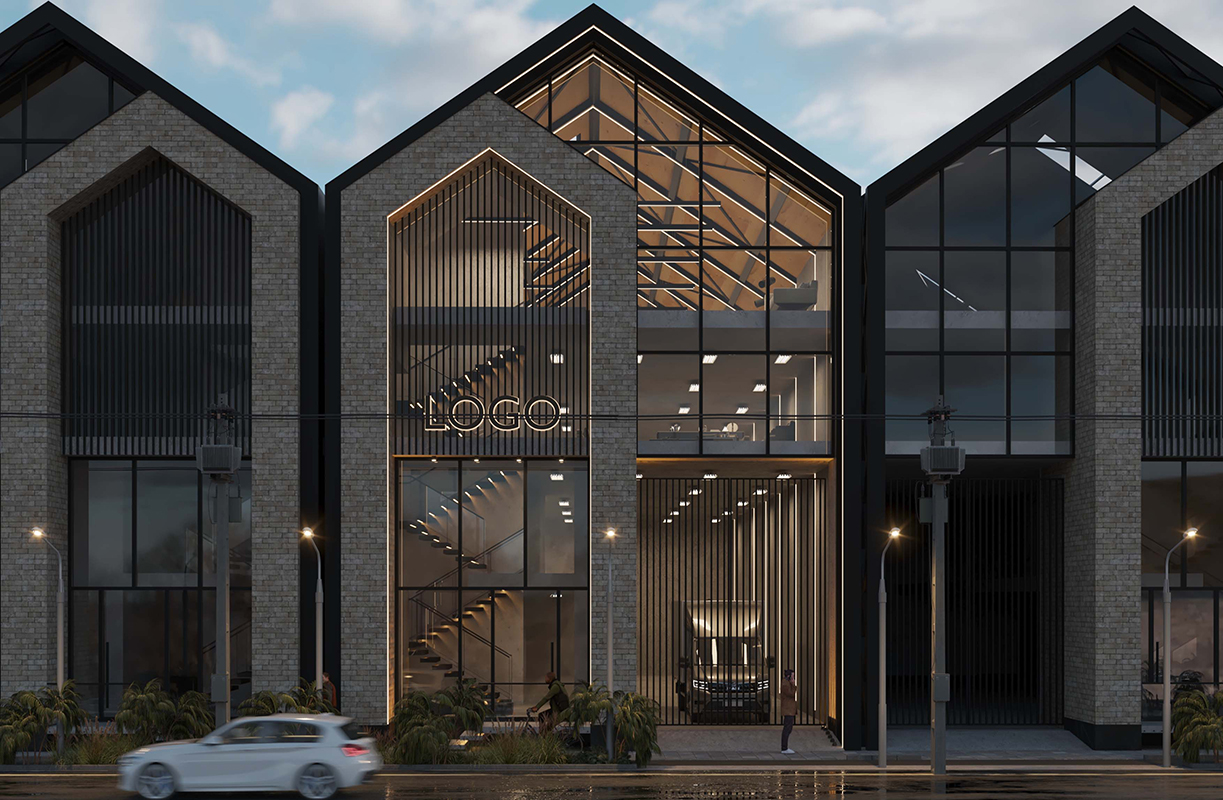
در طراحی بلوک‌های مسکونی SOLEA، زبان معماری مدرن به‌وضوح دیده می‌شود: ترکیب بافت سنگی، چوب ترمو با رنگ گرم و کامپوزیت مشکی، هویتی جسورانه و معاصر خلق کرده‌اند. در برخی بلوک‌ها، واحدهای تجاری در طبقه‌ی همکف به‌صورت یکپارچه با طراحی ادغام شده‌اند؛ راه‌حلی هوشمندانه برای ترکیب سکونت و کسب‌وکار، بدون خدشه به زیبایی بصری.

در نسخه‌ای دیگر از این بلوک‌ها، سادگی و بهره‌وری در اولویت قرار گرفته‌اند. استفاده از یک متریال اقتصادی، ضمن حفظ زیبایی مینیمال، هزینه‌های ساخت را به‌طور چشم‌گیری کاهش داده است. پنل‌های خورشیدی تعبیه‌شده، انرژی پایدار تولید می‌کنند و ساختمان را به واحدی خودکفا تبدیل کرده‌اند — راه‌حلی هوشمندانه برای زندگی مدرن، هم‌راستا با اقتصاد سبز.

آمار و امکانات مجموعه

  • فضای سبز: ۴۵٪ از کل سایت

  • مسیرهای گردش و دسترسی: ۱۲.۵٪

  • فضای مسکونی: ۳۵,۲۰۰ متر مربع

  • مراکز آموزشی: ۱,۸۸۰ متر مربع

  • منطقه‌ی تجاری: ۲,۵۰۰ متر مربع

  • مرکز فرهنگی و تفریحی: ۱,۶۰۰ متر مربع

  • مجموعه‌ی ورزشی: ۹,۵۰۰ متر مربع

  • مجموعه‌ی سلامت و درمانی: ۳,۰۰۰ متر مربع

SOLEA نه‌تنها یک پروژه‌ی معماری‌ست، بلکه دعوتی‌ست به سبک زندگی‌ای متعادل، پایدار و انسانی. جایی برای آرامش، رشد و هم‌زیستی با طبیعت — تجربه‌ای که هم‌زمان ریشه‌دار و فراتر از زمان است.


SOLEA: Where Light, Soul, and Nature Shape Architecture

Nestled in the pristine outskirts of Almaty, the SOLEA settlement emerges as a living philosophy. The name itself is a fusion of elemental power and emotional depth: “SOL” and “SOLAR” evoke the sun’s energy, warmth, and life-giving light — symbols of sustainability and harmony with nature. “SOUL” adds emotional resonance and human connection, while the soft ending “EA” suggests elegance, fluidity, and elemental purity. SOLEA is more than a name — it’s an invitation to experience architecture where rhythm, light, and spirit converge.

Contemporary Design in a Natural Sanctuary

Despite the lake’s natural charm, the surrounding area lacks the infrastructure to support large-scale tourism and leisure. SOLEA addresses this gap with a comprehensive development that enhances public well-being, promotes sustainable recreation, and invites visitors to explore an untouched ecological haven.

This residential complex offers a rare opportunity to live just outside Almaty in a modern, welcoming home. Residents enjoy fresh air, breathtaking views, and a peaceful escape from urban chaos — a sanctuary for those seeking comfort, serenity, and a deeper connection to nature. With thoughtfully designed amenities and scenic landscapes, Eco House creates ideal conditions for family life and outdoor enjoyment — a harmonious blend of tranquility and modern convenience.

Where Function Meets Aesthetic

The architectural language of SOLEA is unmistakably modern: a bold interplay of stone textures, warm thermowood, and sleek black composite defines its visual identity. Select blocks feature integrated ground-floor commercial units, seamlessly woven into the design — a smart solution for combining residential serenity with vibrant retail presence, without compromising elegance.

Another variation within the complex focuses on simplicity and efficiency. Using a single, cost-effective material, these blocks maintain a clean aesthetic while significantly reducing construction costs. Integrated solar panels provide sustainable energy, allowing each building to generate its own electricity — a forward-thinking solution for eco-conscious, economically smart living.

Site Composition and Amenities

-Green Space: 45% of total site
-Circulation Paths: 12.5%
-Residential Area: 35,200 m²
-Educational Facilities: 1,880 m²
-Commercial Zone: 2,500 m²
-Cultural & Recreational Center: 1,600 m²
-Sports Complex: 9,500 m²
-Healthcare Complex: 3,000 m²

SOLEA is not just an architectural project — it’s a lifestyle vision rooted in balance, sustainability, and human connection. A place to grow, breathe, and live in harmony with the rhythms of nature and the elegance of modern design.

اطلاعات بیشتر

طراحی داخلی پروژه ماویسا

طراحی داخلی پروژه ماویسا

▪️موقعیت: خیابان چشم انداز، گرگان

▪️ مساحت پروژه: 150 مترمربع 

▪️ سال طراحی پروژه: 1404

▪️ کارفرما: جناب آقای گلشاهین


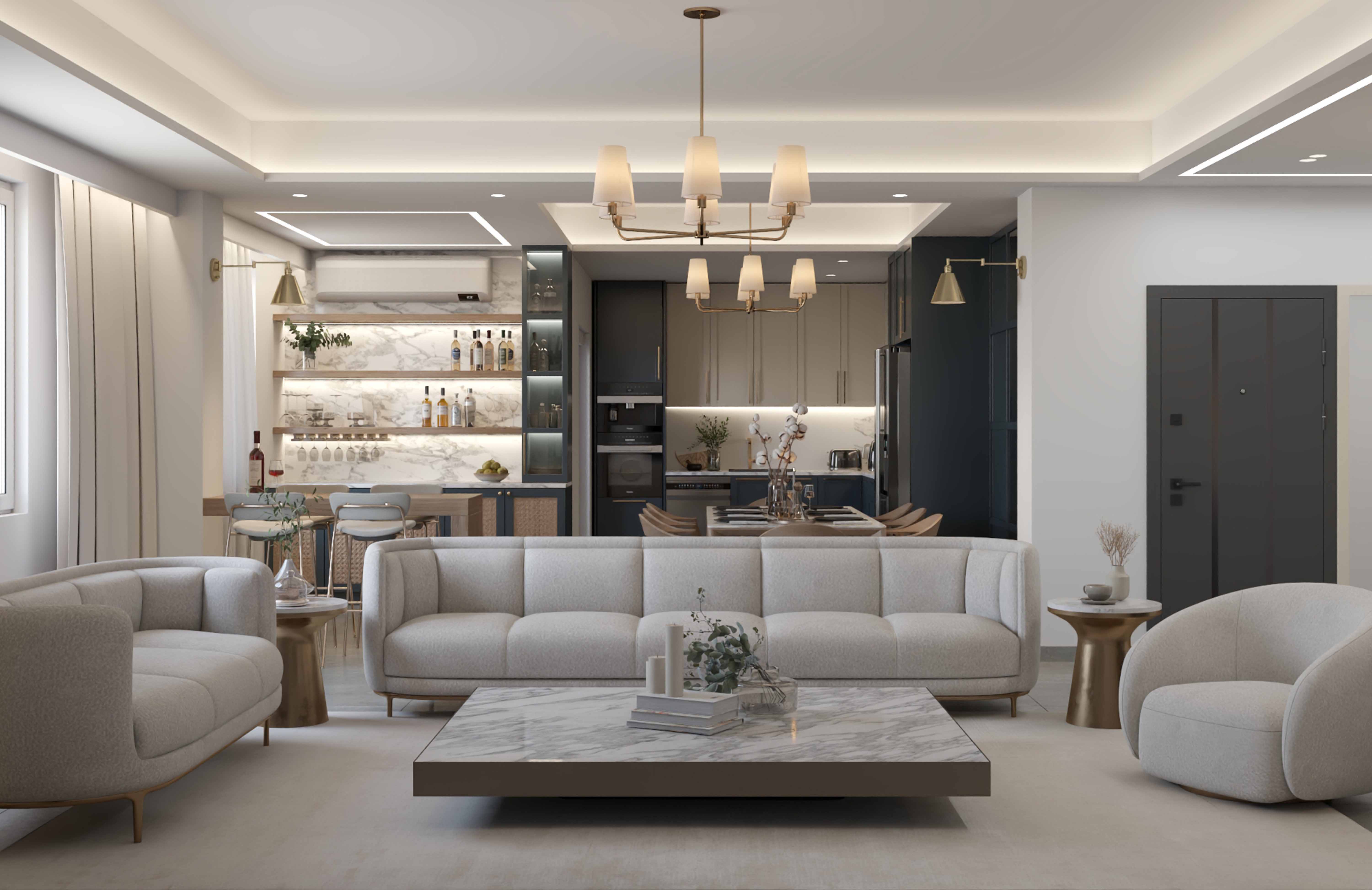
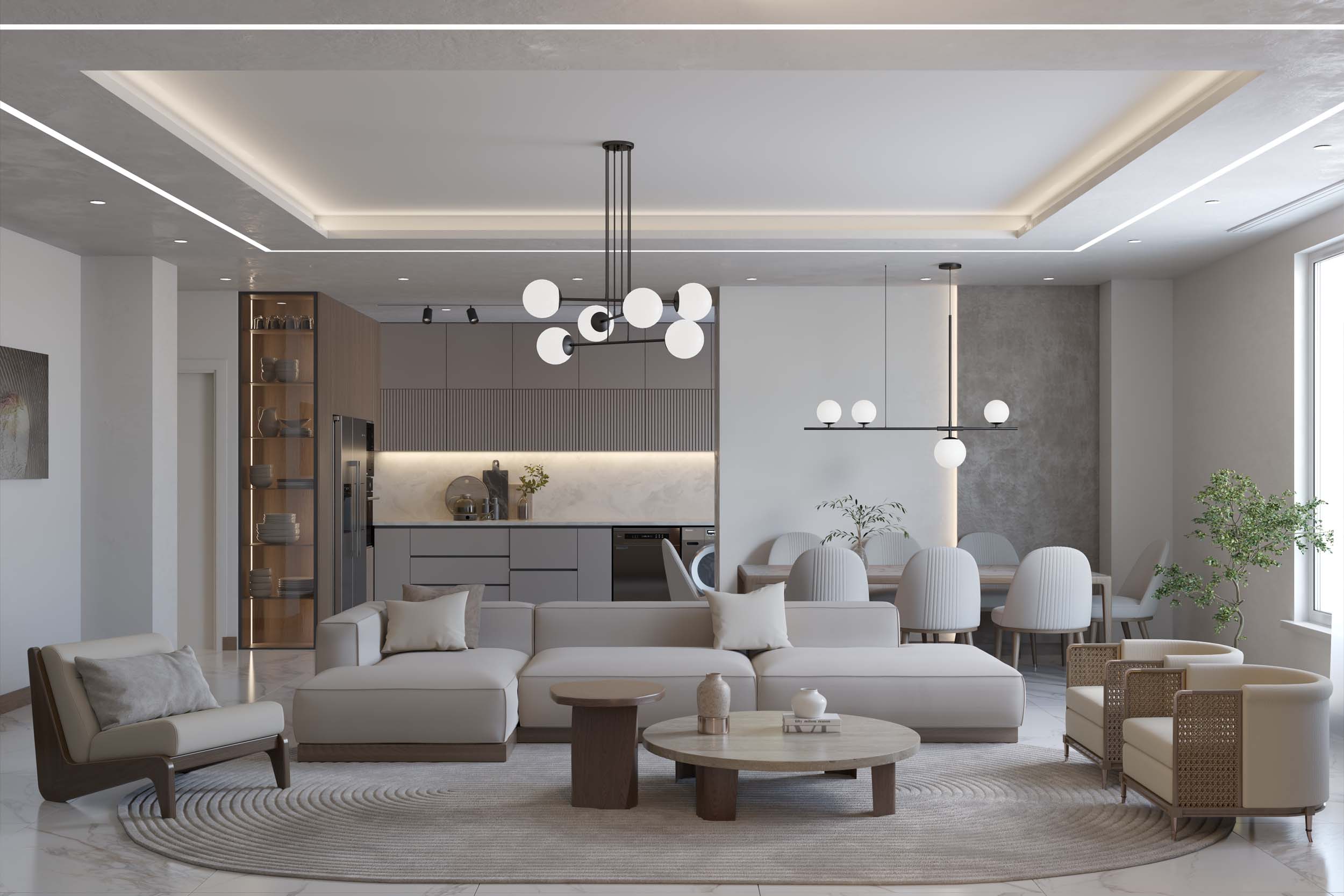
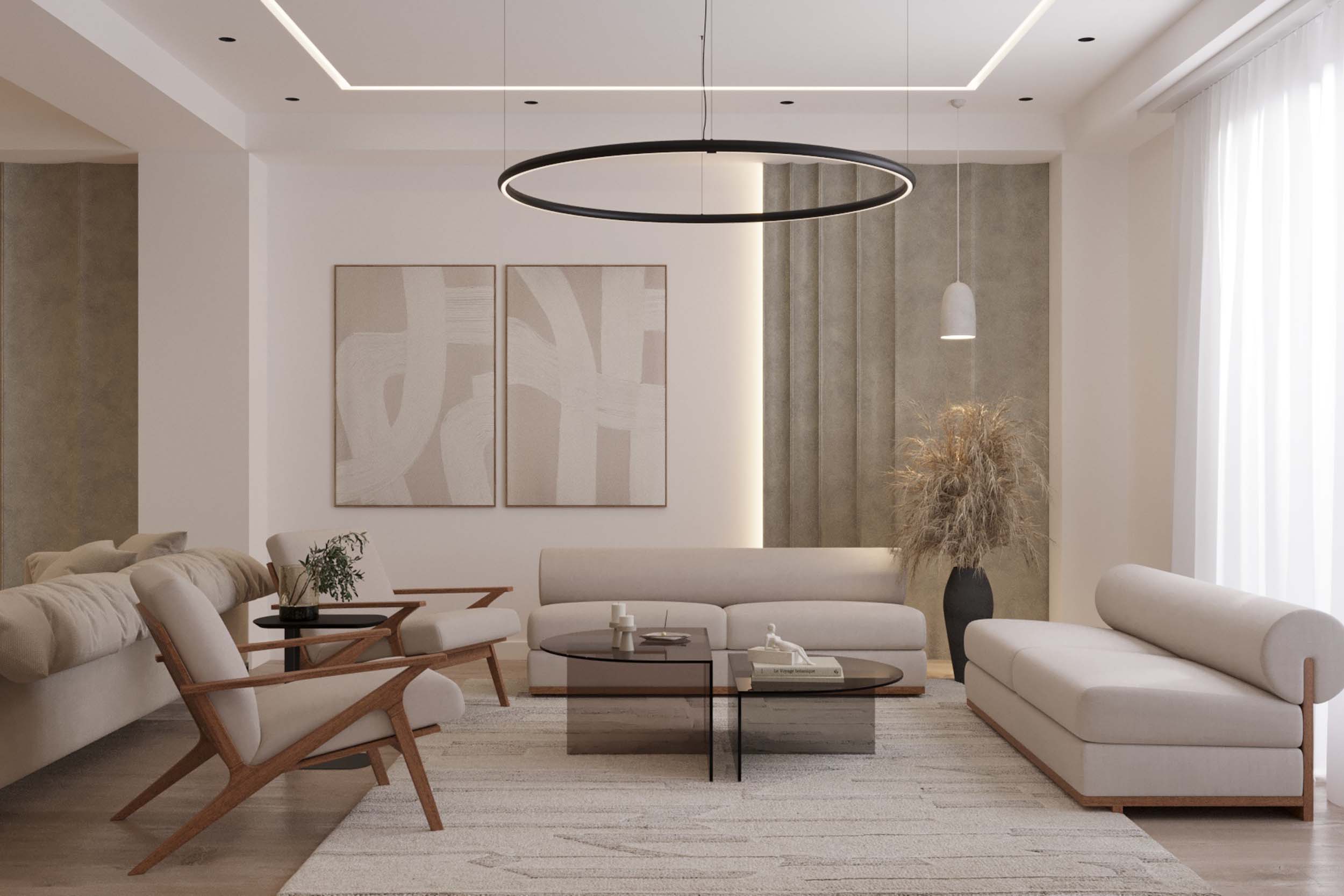
پروژه طراحی داخلی ماویسا، یکی از نمونه‌های درخشان طراحی مسکونی در استان گلستان، شهر گرگان است؛ فضایی ۱۵۰ متری که در سال ۱۴۰۴ با نگاهی جسورانه و مدرن بازتعریف شده است. در این پروژه، جناب آقای گلشاهین به‌عنوان کارفرمایی با دیدگاه دقیق و دغدغه‌مند نسبت به کیفیت زندگی، انتخاب‌هایی فراتر از استانداردهای رایج انجام داده‌اند تا فضایی خلق شود که نه تنها زیبا، بلکه معناگرا، کاربردی و انسانی باشد.

طراحی این واحد، با تمرکز بر رنگ‌های گرم و استفاده از بافت چوب، فضایی آرام و دعوت‌کننده را رقم زده؛ اما آنچه این پروژه را متمایز می‌سازد، انتخاب جسورانه رنگ آبی نفتی در آشپزخانه است که به‌عنوان نقطه‌ی تأکید، تعادل بصری و انرژی تازه‌ای به فضا بخشیده است. این ترکیب ظریف میان کرم‌های گرم و آبی عمیق، خانه را از «محل سکونت» به «محل زیستن» ارتقا داده است.

فضاسازی اتاق‌ها نیز با رویکردی احساسی و عملکردی انجام شده است. در اتاق نوزاد، آرامش و لطافت در رنگ‌ها و فرم‌ها نمود دارد؛ جایی که زندگی نوپا در امنیت و لطافت شکل می‌گیرد. اتاق نوجوان پسر نیز با چیدمانی منعطف، رنگ‌های کنترل‌شده و فرم‌هایی مدرن، محیطی برای رشد، تمرکز و بیان شخصیت فراهم کرده است. این دو فضا، به‌خوبی نشان می‌دهند که طراحی داخلی حرفه‌ای چگونه می‌تواند از مرحله‌ی عملکرد عبور کند و به تجربه‌ای احساسی بدل شود.

در طراحی داخلی حرفه‌ای، زیبایی تنها نیمی از مسیر است؛ نیم دیگر، خلق تجربه‌ای‌ست که کیفیت زندگی را ارتقا دهد و با روح ساکن فضا هم‌خوان باشد. زمانی‌که طراحی با خواسته‌های منحصربه‌فرد و سلیقه‌ای آگاهانه هم‌راستا می‌شود، نتیجه چیزی فراتر از فرم و رنگ خواهد بود—خانه‌ای که شخصیت دارد، تفاوت دارد، و برای زیستن طراحی شده است.


▪️ Location: Cheshmandaz Street, Gorgan, Golestan Province, Iran
▪️ Project Area: 150 square meters
▪️ Design Year: 2025 (1404 SH)
▪️ Client: Mr. Golshahin

Mavisa Interior Design Project is one of the standout examples of residential design in the city of Gorgan. Spanning 150 square meters and reimagined in 2025 with a bold and modern approach, the project reflects the client’s thoughtful pursuit of elevated living. Mr. Golshahin's refined taste and commitment to quality led to design choices that go beyond conventional standards—creating a space that is not only aesthetically pleasing, but meaningful, functional, and deeply human.

The interior embraces warm tones and wooden textures, composing an inviting and serene atmosphere. Yet what makes the space truly unique is the daring use of petroleum blue in the kitchen—a striking accent that energizes the room and enriches its visual balance. This subtle interplay between creamy warmth and deep blue transforms the residence from a “place of dwelling” into a “place of living.”

The bedroom layouts follow an emotionally attuned and functionally driven design approach. The nursery evokes softness and security through soothing colors and gentle forms—an embrace for newborn life. Meanwhile, the teen boy’s bedroom, with its modular layout, muted tones, and sleek shapes, fosters concentration, independence, and self-expression. These two environments showcase how professional interior design can transcend mere function and become a source of emotional nourishment.

In professional interior design, beauty is only half the journey; the other half lies in creating experiences that elevate life and harmonize with the soul of those who inhabit the space. When the design aligns with one’s unique sensibilities and conscious lifestyle choices, the outcome exceeds form and color—it becomes a living portrait of individuality, designed for life, not just living.

اطلاعات بیشتر

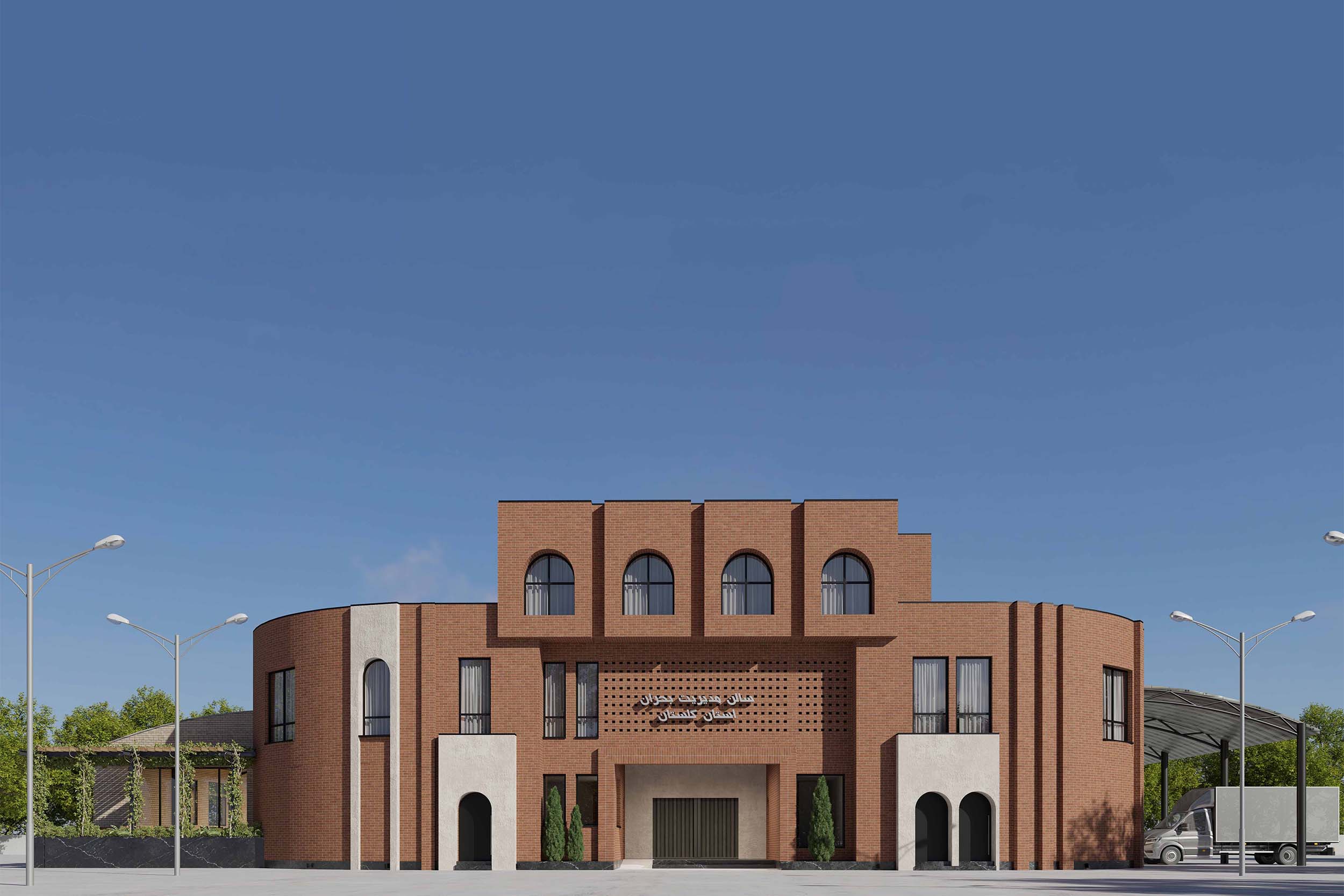
طراحی مرکز مدیریت بحران در استان گلستان

طراحی مرکز مدیریت بحران در استان گلستان

▪️موقعیت: سایت استانداری، گرگان، استان گلستان

▪️ مساحت پروژه: 500 مترمربع

▪️ سال طراحی پروژه: 1403

▪️ کارفرما: استانداری گلستان

▪️کاربری: چندمنظوره، اداری، خدماتی و ... رویکرد طراحی:امنیت پایدار


مقدمه: ضرورت طراحی مرکز مدیریت بحران در گلستان

استان گلستان با طبیعتی زیبا اما پرخطر، همواره در معرض حوادث طبیعی مانند سیل، خشکسالی و آتش‌سوزی قرار دارد. تجربه‌ی سیل آق‌قلا در سال‌های اخیر نشان داد که عدم وجود زیرساخت‌های مناسب برای مدیریت بحران می‌تواند باعث افزایش خسارات جانی و مالی شود. در این راستا، طراحی یک مرکز مدیریت بحران کارآمد و چندمنظوره، ضرورتی اجتناب‌ناپذیر به شمار می‌آید.


مبانی نظری طراحی مرکز مدیریت بحران

- وظایف کلیدی مراکز مدیریت بحران

یک مرکز مدیریت بحران حرفه‌ای، وظایف متعددی را بر عهده دارد:

  • پیش‌بینی خطرات

  • آموزش و اطلاع‌رسانی

  • مدیریت منابع

  • هماهنگی نهادها در زمان بحران

  • و بازسازی پس از حادثه

- اهمیت طراحی فضاهای چندمنظوره و منعطف

معماری چنین مجموعه‌ای باید بر اساس انعطاف‌پذیری فضایی باشد؛ فضاهایی که در وضعیت عادی برای آموزش و فعالیت روزمره کارکنان استفاده می‌شوند و در شرایط بحرانی به انبار تجهیزات، سالن اسکان یا آشپزخانه مرکزی تبدیل می‌گردند.


چالش‌ها و کمبودهای موجود در گلستان

- کمبود فضاهای امدادی، اقامتی و پشتیبانی

در حال حاضر، استان گلستان با مشکلاتی نظیر نبود انبارهای مناسب، کمبود فضای اقامت موقت، و فقدان زیرساخت‌های پشتیبانی برای نیروهای امدادی مواجه است. این موارد لزوم طراحی یک مرکز جامع را پررنگ‌تر می‌کند.


اهداف طراحی مرکز مدیریت بحران گلستان

- اهداف کلان پروژه

  • فراهم‌سازی فضای پاسخگو به کلیه وظایف مدیریت بحران

  • استفاده بهینه از منابع از طریق چندعملکردی بودن فضاها

  • ارائه خدمات در قبل و بعد از وقوع بحران

- اهداف جزئی پروژه

  • طراحی انبارهای بزرگ برای ذخیره تجهیزات و مواد غذایی

  • ایجاد پارکینگ‌های مخصوص ماشین‌آلات سنگین

  • فراهم‌سازی محل اقامت برای مسئولان جهت نظارت و تصمیم‌گیری سریع

- اهداف اقتصادی پروژه

  • کاهش هزینه‌های بیرون‌سازمانی از طریق تأمین آشپزخانه و انبار داخلی

  • بهینه‌سازی متراژ با استفاده از فضاهای چندمنظوره با کاربری متغیر


برنامه طراحی و فضاهای عملکردی مرکز

1) حوزه اداری: فضایی برای مدیریت، تحلیل اطلاعات و هماهنگی بین سازمان‌ها در زمان بحران و شرایط عادی.

2) حوزه اقامتی: محلی برای اقامت موقت کارشناسان و مسئولان در زمان وقوع حوادث، برای تصمیم‌گیری سریع و مؤثر در محل حادثه.

3) حوزه چندمنظوره: کاربرد روزمره به‌عنوان فضای آموزشی، فرهنگی و ورزشی؛ اما در بحران، تبدیل به انبار تجهیزات یا محل اسکان اضطراری.

4) حوزه طبخ و تغذیه: در وضعیت عادی، یک آشپزخانه سازمانی است؛ ولی در بحران، به مرکز توزیع مواد غذایی و تغذیه آسیب‌دیدگان تبدیل می‌شود.


جمع‌بندی: معماری به عنوان ابزار مدیریت بحران 

طراحی هوشمندانه و انعطاف‌پذیر در پروژه‌هایی مانند مرکز مدیریت بحران گلستان، نه تنها به کاهش خسارات کمک می‌کند، بلکه باعث ارتقاء آمادگی سازمانی و پاسخگویی بهتر به بحران‌های آتی نیز خواهد شد. این پروژه نمونه‌ای است از معماری عملکردگرا و مسئولیت‌پذیر در برابر بحران‌های طبیعی.


 Introduction: The Necessity of Designing a Crisis Management Center in Golestan Province

Golestan Province, with its stunning yet vulnerable natural environment, is frequently exposed to natural disasters such as floods, droughts, and forest fires. The recent Aqqala flood highlighted the consequences of lacking proper crisis management infrastructure, leading to increased human and economic losses. Therefore, designing an efficient and multifunctional crisis management center has become an urgent necessity.


Theoretical Foundations of Crisis Management Center Design

Key Functions of Crisis Management Centers

A professional Crisis Management Center carries out various critical functions, including:

  • Risk prediction and assessment

  • Education and public awareness

  • Resource management

  • Inter-agency coordination during crises

  • Post-disaster reconstruction and recovery

- Importance of Flexible and Multifunctional Space Design

The architecture of such a center must be based on spatial flexibility. Spaces should serve everyday purposes such as training and staff activities under normal conditions, and seamlessly transition into emergency shelters, equipment storage, or central kitchens during crises.


Challenges and Shortcomings in Golestan

Lack of Emergency, Residential, and Support Facilities

Currently, Golestan Province suffers from several shortcomings in crisis response infrastructure, including:

  • Inadequate storage spaces for emergency equipment

  • Insufficient temporary accommodation for affected individuals

  • Lack of support facilities for relief personnel

These gaps strongly emphasize the need for a comprehensive and integrated crisis management center.


Design Objectives of the Golestan Crisis Management Center

- General Objectives

  • Providing spaces capable of fulfilling all key crisis management functions

  • Optimizing resource use through multi-functional spatial planning

  • Offering services during both pre-disaster preparedness and post-disaster recovery

- Specific Objectives

  • Designing large-scale storage areas for emergency supplies and food

  • Establishing dedicated parking zones for large-scale emergency vehicles

  • Creating temporary accommodations for officials and decision-makers to enable on-site supervision and response

- Economic Objectives

  • Reducing external service costs by incorporating on-site kitchen and storage facilities

  • Minimizing built-up area through dual-use spaces operating on separate schedules


Design Program and Functional Zones of the Center


  1. 1. Administrative Zone:
    A designated space for crisis coordination, information analysis, and inter-agency management during both normal and emergency conditions.

  2. 2. Residential Zone:
    Temporary lodging for officials and specialists during emergency situations, enabling swift and effective decision-making near disaster sites.

  3. 3. Multipurpose Zone:
    Used for training, cultural, and recreational activities in normal times, and transformed into shelters or storage facilities during crises.

  4. 4. Cooking and Food Distribution Zone:
    Functions as a service kitchen during normal operations, and becomes the main hub for food storage and distribution to affected individuals during emergencies.


اطلاعات بیشتر

طراحی دانشکده پرستاری شهرستان گنبد کاووس

طراحی دانشکده پرستاری شهرستان گنبد کاووس

▪️​ موقعیت: گنبدکاووس

▪️​ مساحت زیربنای پروژه: 3700 متر مربع

▪️​ سال طراحی پروژه: 1403

▪️​ کارفرما: دانشگاه علوم پزشکی و خدمات بهداشتی و درمانی استان 

▪️​ کاربری: آموزشی

▪️​ رویکرد طراحی: عملکردگرا و زمینه گرا


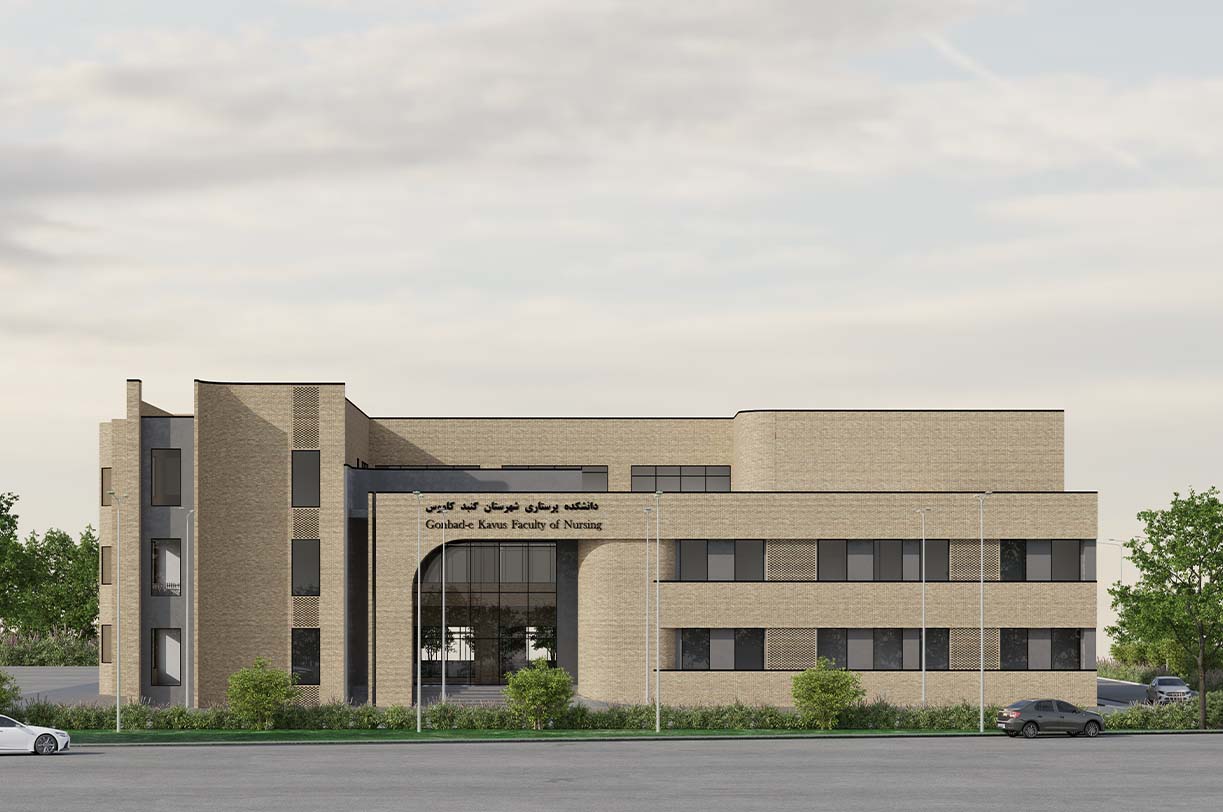
پروژه دانشکده پرستاری در شهرستان گنبد کاووس، یکی از شهرستان‌های مهم استان گلستان، واقع شده است. این شهرستان که در شمال شرقی ایران قرار دارد، به دلیل پیشینه تاریخی و موقعیت جغرافیایی خاص خود، از اهمیت بالایی برخوردار است.
مکان پروژه در شمال گنبد کاووس و در نزدیکی بیمارستان پیامبر اعظم واقع شده است. این نزدیکی، فرصت مناسبی برای برقراری ارتباط مستقیم و موثر بین دانشکده پرستاری و بیمارستان فراهم می‌آورد. چنین هم‌جواری، امکانات آموزشی و عملی لازم برای دانشجویان را بهبود می‌بخشد و باعث ایجاد هم‌افزایی میان آموزش و درمان می‌شود.


هدف از احداث این دانشکده، پاسخ به نیازهای عملکردی دانشجویان پرستاری می‌باشد. یکی از مهمترین چالش هایی که با آن مواجه ایم، کمبود فضای آموزشی و آزمایشگاهی در شهرستان گنبد کاووس است. طراحی دانشکده پرستاری نیازمند توجه به چندین عامل مهم از جمله هویت فرهنگی منطقه، نیازهای عملکردی، سازگاری اقلیمی و همچنین روانشناسی محیط برای ارتقاء تجربه آموزشی دانشجویان می‌باشد.


دسترسی‌ها و ویژگی‌های موقعیت مکانی پروژه

دسترسی اصلی پروژه از جبهه جنوبی سایت است. این موقعیت باعث تسهیل در تفکیک حرکت‌های دانشجویان، کارکنان و بازدیدکنندگان می‌شود. همچنین، نزدیکی به میدان شهری در جنوب شرقی سایت، ارتباط با سایر مناطق شهر را آسان‌تر کرده و دسترسی عمومی به دانشکده پرستاری را بهبود می‌بخشد.

شرایط اقلیمی گنبد کاووس و تأثیر آن بر طراحی

اقلیم گنبد کاووس ترکیبی از هوای سرد و معتدل در پاییز و زمستان و گرم و شرجی در بهار و تابستان است. در بسیاری از ماه‌های سال، شرایط زندگی در این منطقه خارج از محدوده آسایش اقلیمی است. به‌طور مثال، در ماه‌های فروردین، اردیبهشت، مهر و آبان، شرایط آسایش نسبی وجود دارد؛ اما در سایر ماه‌ها، نارضایتی اقلیمی مشاهده می‌شود که منجر به افزایش مصرف انرژی برای گرمایش و سرمایش می‌گردد.


اصول طراحی اقلیمی در دانشکده پرستاری

برای بهینه‌سازی مصرف انرژی و ارتقای آسایش در طراحی دانشکده پرستاری گنبد کاووس، اصول زیر مدنظر قرار گرفته است:

  1. استفاده از نور خورشید برای گرمایش ساختمان در زمستان.
  2. جلوگیری از اتلاف حرارت از طریق درزگیری پنجره‌ها و درها.
  3. طراحی بام‌های مسطح برای کاهش نفوذ گرما در تابستان.
  4. بهره‌گیری از مصالح عایق حرارتی برای بهبود تعادل دمایی ساختمان.
  5. ایجاد سایه‌بان‌ها و فضاهای سبز برای کاهش تاثیر تابش خورشید.


طراحی فضای آموزشی و نیازهای دانشکده پرستاری

برآورد فضایی دانشکده پرستاری بر اساس استانداردهای تعریف‌شده شامل مساحت کلاس‌های نظری، آزمایشگاه‌ها، و سایر فضاهای موردنیاز برای پاسخگویی به نیازهای 230 دانشجوی کارشناسی پرستاری است. این برآوردها با توجه به عواملی همچون تعداد دانشجویان، متوسط ساعت حضور، و نرخ اشغال فضاها انجام شده است.
هدف اصلی در طراحی این دانشکده، ایجاد تعادل میان مساحت اختصاص‌یافته و بهره‌وری حداکثری از فضاها است. همچنین، تلاش شده تا محیطی امن، کاربردی و متناسب با نیازهای آموزشی دانشجویان فراهم گردد.


کانسپت طراحی دانشکده پرستاری گنبد کاووس

طراحی دانشکده پرستاری گنبد کاووس بر پایه حفظ هویت فرهنگی منطقه و سازگاری با شرایط اقلیمی انجام شده است. الهام از معماری تاریخی، به‌ویژه برج گنبد قابوس، از ویژگی‌های برجسته این طرح است. در این راستا، طراحی با استفاده از فرم‌های ساده، عمودی و مصالح مدرن، تاریخ و مدرنیته را به تصویر می‌کشد.

  1. الهام از معماری سنتی منطقه:
    طراحی نما با استفاده از آجرهای مدرن که یادآور معماری سنتی ایرانی است، انجام شده است.
  2. طراحی خطی فضاهای آموزشی:
    فضاهای آموزشی به‌صورت خطی طراحی شده‌اند که توالی و ارتباط مستقیم بین کلاس‌ها و آزمایشگاه‌ها را تسهیل می‌کند. این طراحی به بهبود تهویه طبیعی و نوررسانی کمک می‌کند.
  3. تعامل با فضای سبز:
    ایجاد حیاط مرکزی به‌عنوان عنصر کانونی ساختمان، علاوه بر افزایش تعاملات اجتماعی دانشجویان، به تهویه طبیعی و خنک‌سازی محیط نیز کمک می‌کند.


در قلب دانشکده پرستاری گنبد کاووس، حیاط مرکزی به‌عنوان عنصری کلیدی  قرار گرفته است؛ فضایی درون‌گرا که علاوه‌بر کارکرد اقلیمی/عملکردی، نقشی مؤثر در افزایش آرامش روانی و بهبود کیفیت حضور دانشجویان ایفا می‌کند. الهام‌گرفته از معماری سنتی ایرانی و با هدف انطباق با اقلیم گرم و خشک منطقه، این فضا با جریان طبیعی هوا، نور مناسب، و کاهش دما به عنوان یک فضای تنفسی عمل می‌کند و با سایه‌اندازی، آب یا پوشش سبز، بستری مطلوب برای استراحت، مطالعه و تعامل‌های روزمره فراهم می‌سازد.

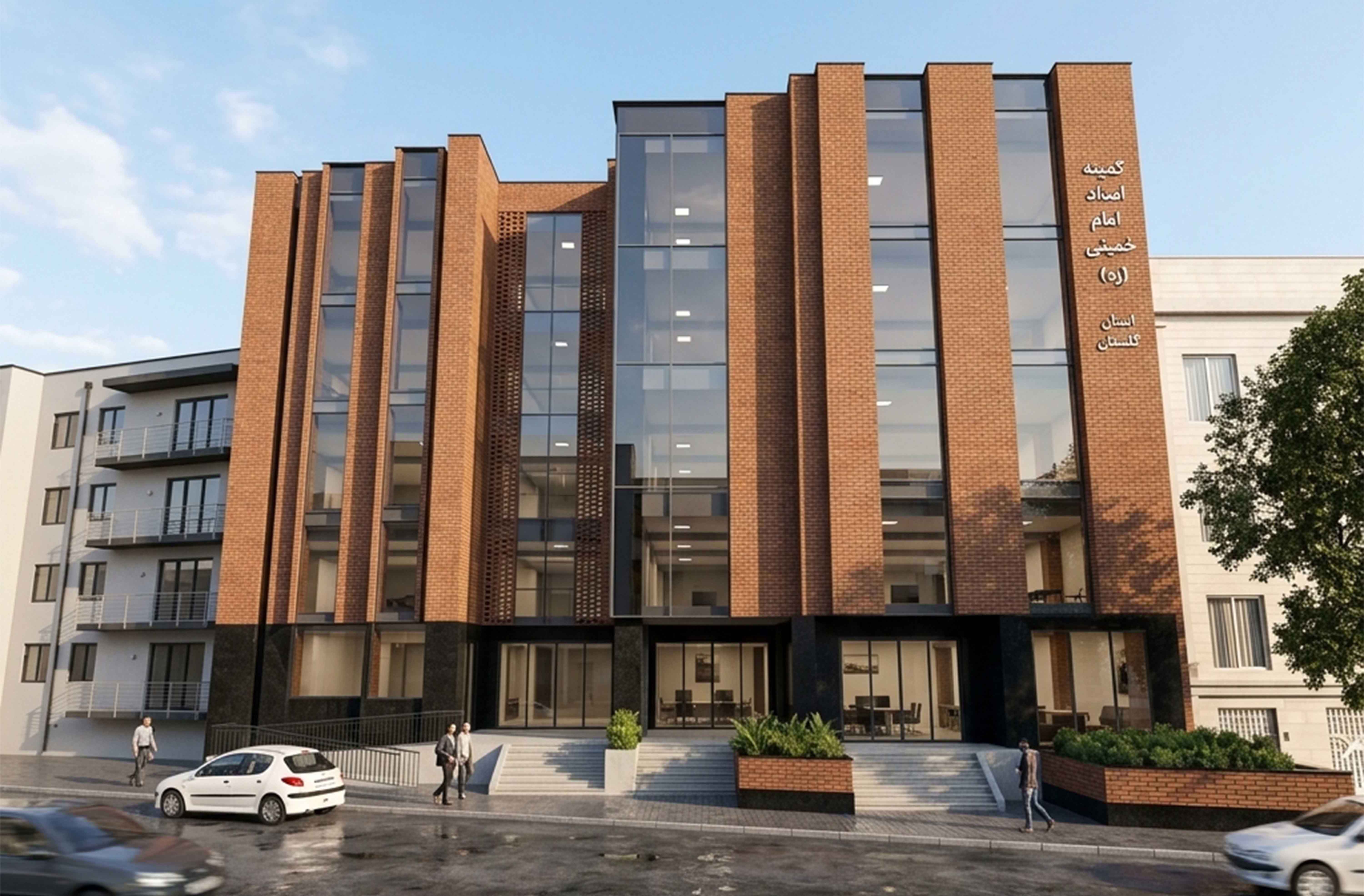
در طراحی دانشکده پرستاری، استفاده از آجر به‌عنوان متریال بومی با توجه به ظرفیت حرارتی بالا و هماهنگی با اقلیم گرم و خشک شهرستان گنبد، نقش مؤثری در بهینه‌سازی انرژی ایفا می‌کند. همچنین، الهام از فرم منحنی برج تاریخی قابوس در طراحی پوسته نما، تلاشی است برای بازتاب هویت معماری منطقه و ایجاد پیوندی معنادار میان سنت و عملکرد معاصر.


پروژه دانشکده پرستاری گنبد کاووس با هدف ترکیب معماری مدرن و سنتی، توجه به اقلیم منطقه و افزایش بهره‌وری فضاهای آموزشی طراحی شده است. این پروژه علاوه بر رفع نیازهای آموزشی، فضایی پویا و سازگار با محیط ایجاد کرده و در راستای اهداف بلندمدت آموزشی و درمانی منطقه گام برمی‌دارد.


توضیح تصویر


▪️ Location: Gonbad-e Kavus

▪️ Built-up Area: 3,700 sqm

▪️ Year of Design: 2024 (1403 in the Iranian calendar)

▪️ Client: Golestan University of Medical Sciences

▪️ Usage: Educational

▪️ Design Approach: Functional and Contextual


Project Overview

The Nursing School project is located in Gonbad-e Kavus, one of the most prominent cities in Golestan Province, northeastern Iran. Due to its rich historical background and unique geographic position, the city holds significant strategic and cultural value.

The project site is situated in the northern part of Gonbad-e Kavus, near Payambar-e Azam Hospital. This close proximity offers a valuable opportunity for direct and effective integration between the nursing school and the hospital, enhancing both academic learning and hands-on training, and creating a synergy between education and healthcare services.


Project Objectives and Challenges

The main purpose of this project is to address the functional needs of nursing students in Gonbad-e Kavus. One of the major challenges in the region is the lack of adequate educational and laboratory space. The design of the nursing school considers key factors such as the cultural identity of the region, functional efficiency, climatic adaptability, and environmental psychology to enhance the overall learning experience.


Site Access and Location Features

The primary access to the site is from the southern edge, which helps organize the movement of students, faculty, and visitors efficiently. The site's proximity to a public square in the southeast also facilitates easy connection to other parts of the city, improving public accessibility.


Climatic Considerations

Gonbad-e Kavus experiences a mixed climate: cold and moderate in fall and winter, hot and humid in spring and summer. For much of the year, the climate falls outside the thermal comfort zone. Months like April, May, October, and November offer relative comfort, but the rest of the year requires considerable energy for heating and cooling.


Climate-Responsive Design Strategies

To reduce energy consumption and improve comfort, the following passive design strategies were applied:

  • Maximizing solar gain in winter for natural heating

  • Minimizing heat loss through well-sealed windows and doors

  • Designing flat roofs to reduce heat infiltration in summer

  • Using high-performance thermal insulation materials

  • Creating shaded areas and green spaces to reduce solar impact


Educational Space Planning

The spatial requirements of the nursing school were developed based on standards that accommodate 230 undergraduate students. These include lecture halls, laboratories, and support facilities. Space planning was guided by student population, usage patterns, and occupancy rates, with the aim of maximizing efficiency while providing a safe and functional learning environment.


Design Concept

The design of the Gonbad-e Kavus Nursing School is rooted in regional cultural identity and climatic adaptability. Inspired by the architectural heritage of the area—particularly the historic Gonbad-e Qabus tower—the design blends tradition with modernity through the use of simple, vertical forms and contemporary materials.


Key design features include:

  • Cultural Inspiration: The facade uses modern brickwork reminiscent of traditional Iranian architecture.

  • Linear Educational Layout: Educational spaces are arranged linearly to create a logical flow between classrooms and labs, improving ventilation and natural lighting.

  • Integration with Green Spaces: A central courtyard serves as the heart of the building, encouraging social interaction, enhancing natural airflow, and improving environmental comfort.


The Courtyard: A Central Element

At the core of the school is a courtyard—a semi-enclosed space that plays a key functional and psychological role. Drawing from traditional Iranian architecture and tailored for the region’s hot, dry climate, this space provides shade, facilitates airflow, and serves as a relaxing area for study, rest, and social interaction. Water features and vegetation enhance its cooling effect, making it a vital breathing zone within the school.


Material and Architectural Language

Brick, a local material with high thermal capacity, is used for its harmony with the climate and energy performance. The curved facade takes inspiration from the form of the historic Gonbad-e Qabus tower, symbolizing a meaningful dialogue between cultural heritage and contemporary functionality.


Conclusion

The Gonbad-e Kavus Nursing School project is a synthesis of traditional and modern architecture, tailored to the local climate and educational needs. It provides a dynamic, context-sensitive environment that supports both the academic and healthcare goals of the region, paving the way for long-term development in medical education and community health.

اطلاعات بیشتر

طراحی پروژه مسکونی سپید

طراحی پروژه مسکونی سپید

▪️موقعیت: خیابان انقلاب، گرگان

▪️ مساحت پروژه: 200 مترمربع (در 6 طبقه روی پیلوت)

▪️ سال طراحی پروژه: 1403

▪️ کارفرما: جناب آقای میثم جعفری


در این پروژه مسکونی ۶ طبقه، که هر طبقه شامل یک واحد مجزا است، تلاش کرده‌ایم فضایی روشن، مدرن و کاربردی ایجاد کنیم که تمام نیازهای یک زندگی آرام و راحت را فراهم کند. این ساختمان با طراحی منحصربه‌فرد داخلی و نمای مدرن، گزینه‌ای ایده‌آل برای ساکنانی است که به دنبال کیفیت و زیبایی هستند.


1. طراحی داخلی: ترکیب زیبایی، عملکرد و راحتی

طراحی داخلی هر واحد بر پایه اصول سبک مینیمال و با استفاده از متریال‌های باکیفیت انجام شده است:

  • نورگیری کامل: تمامی فضاها با بهره‌گیری از پنجره‌های بزرگ و طراحی مناسب از نور طبیعی برخوردارند.
  • اتاق‌ها: هر واحد دارای سه اتاق خواب شامل یک اتاق مستر، یک اتاق نوجوان و یک اتاق کودک است که به زیبایی و کاربردی طراحی شده‌اند.
  • رنگ و متریال: رنگ‌های کرم و نخودی به همراه مبلمان چوبی، فضایی گرم و دلنشین ایجاد کرده‌اند. کف‌پوش سرامیکی رگه‌دار روشن با قرنیزهای چوبی، هماهنگی دلنشینی را در طراحی داخلی رقم زده است.
  • ورودی: فضای ورودی شامل محلی برای نشستن، تعویض کفش، آویز لباس و آینه است که عملکرد و زیبایی را ترکیب می‌کند.
  • سالن نشیمن: با طراحی دیوار تلویزیون از صفحات میکروسمنت و دو کتابخانه بزرگ با ارتفاع سقف که کنارش با صفحه‌های شیار‌دار چوبی تزیین شده‌اند، جلوه‌ای خاص به سالن داده شده است. پرده‌های پانچ ضخیم با حریر زیرین نیز تکمیل‌کننده این فضا هستند.
  • آشپزخانه: طراحی آشپزخانه مدرن، علاوه بر دارا بودن دکور تزیینی و فضای کافی برای تمام وسایل، یک مطبخ مجزا برای جلوگیری از انتشار بوی غذا دارد.
  • بالکن‌ها: هر واحد دارای دو بالکن است؛ یکی به مطبخ متصل و دیگری به یکی از اتاق‌ها، که فضایی برای استراحت و استفاده از هوای تازه فراهم می‌کنند.

یک نمای کلی از فضای نشیمن را میتوانید در اینجا مشاهده کنید. بر روی تصویر کلیک کنید و در محیط با ترفند Drag بچرخید.


2. طراحی نما: مدرن و خیره‌کننده

این ساختمان دوبر با طراحی نمای مدرن از آجرهای کرکره‌ای سفید در ترکیب با سنگ ماربل مشکی رگه‌دار، جلوه‌ای چشمگیر و منحصر‌به‌فرد دارد. طراحی مقرون‌به‌صرفه و اجرای نورپردازی مناسب باعث شده تا این نما در شب نیز جذابیت زیادی داشته باشد.

3. پارکینگ: کاربردی و زیبا

هر واحد دارای پارکینگ اختصاصی مسقف است که با طراحی مدرن و هماهنگ با نمای کلی ساختمان، فضایی کاربردی و شیک را ارائه می‌دهد.

جمع‌بندی

این پروژه مسکونی با طراحی مدرن، نورگیری عالی و امکانات کامل، ترکیبی از زیبایی، کیفیت و عملکرد را به نمایش می‌گذارد. انتخاب متریال‌های درجه‌یک، طراحی دقیق فضاها و نمای خیره‌کننده، این پروژه را به گزینه‌ای بی‌نظیر برای سکونت تبدیل کرده است.


▪️ Location: Enqelab Street, Gorgan

▪️ Project Area: 200 sqm (6 floors above pilot level)

▪️ Year of Design: 2024 (1403 in the Iranian calendar)

▪️ Client: Mr. Meysam Jafari

▪️ Type: Residential Building


Enqelab Residential Building – A Modern, Light-Filled Urban Living Experience

Located in the heart of Gorgan, this six-story residential project was designed to offer a calm and functional living environment with a contemporary and refined aesthetic. Each floor features a single private unit, thoughtfully crafted to meet the needs of modern urban life with a focus on natural light, comfort, and spatial efficiency.


1. Interior Design – Where Function Meets Elegance

The interior spaces are designed in a minimalist style, using high-quality materials to create a warm and welcoming atmosphere:

  • Abundant Natural Light: Large windows and a well-considered layout ensure all areas are filled with daylight.

  • Three Bedrooms per Unit: Each unit includes a master bedroom, a teen room, and a child’s room—designed with both function and character in mind.

  • Color & Material Palette: Soft cream and beige tones, combined with wooden furniture and warm finishes, create a cozy ambiance. Light-toned, veined ceramic flooring with wooden baseboards ties the whole aesthetic together.

  • Entryway Features: The entrance includes a stylish and functional seating nook, shoe storage, coat hooks, and a mirror—all thoughtfully integrated.

  • Living Room: A standout feature is the TV wall finished with microcement, flanked by two floor-to-ceiling bookshelves adorned with grooved wood panels. The use of sheer and heavy curtains adds texture and depth.

  • Kitchen & Utility: The kitchen follows a modern open plan with sufficient storage and display elements, while a separate utility kitchen helps contain cooking odors.

  • Balconies: Each unit has two balconies—one accessible from the utility kitchen and another from one of the bedrooms—creating pleasant, usable outdoor extensions for each home.


2. Facade Design – Contemporary and Eye-Catching

With dual street exposure, the building boasts a striking modern façade. The exterior design combines white louvered brickwork with veined black marble, delivering a powerful visual identity. Economical in construction yet elegant, the façade is enhanced by a custom lighting design that makes the building stand out even at night.


3. Parking – Integrated and Functional

Each unit benefits from a dedicated, covered parking space, seamlessly integrated into the overall design of the building and finished to match the aesthetic language of the exterior.


Conclusion

This residential project in Gorgan is a refined example of modern urban living. With its sleek design, excellent natural light, smart spatial planning, and premium materials, it offers a well-rounded lifestyle for residents who appreciate both beauty and functionality. The Enqelab building is more than a home—it’s a carefully curated living experience.


اطلاعات بیشتر

طراحی پروژه مسکونی شاهو

طراحی پروژه مسکونی شاهو

▪️موقعیت: گرگان

▪️ مساحت پروژه: 130مترمربع

▪️ سال طراحی پروژه: 1402

▪️کارفرما: جناب آقای جهان‌بین


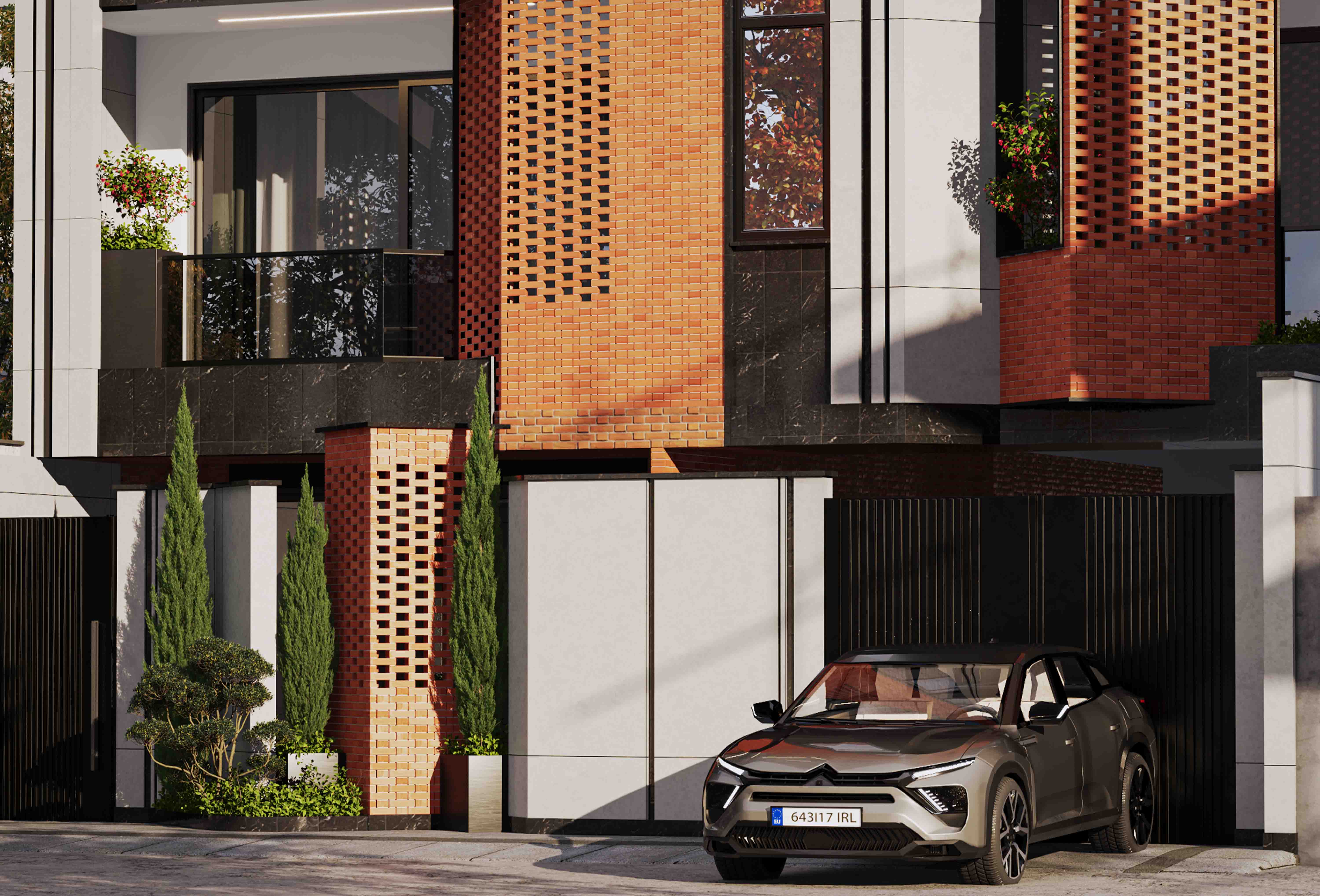
پروژه معماری مدرن: طراحی و اجرای داخلی و نمای ساختمانی ۵ طبقه شاهو

در این پروژه معماری مدرن، تلاش کرده‌ایم با استفاده از متریال‌های متنوع و طراحی‌های خلاقانه، فضایی جذاب و کاربردی ایجاد کنیم که هم با سبک‌های روز معماری هم‌خوانی داشته باشد و هم نیازهای کاربران را به بهترین شکل پاسخ دهد. در ادامه به جزئیات طراحی داخلی و نمای این ساختمان می‌پردازیم.


طراحی داخلی: ترکیب زیبایی و عملکرد

طراحی داخلی این ساختمان بر اساس سبک مدرن و با استفاده از رنگ‌های گرم و مات انجام شده است. استفاده از کفپوش پارکت فضایی دلنشین و گرم برای کاربران ایجاد کرده است. برای دیوار تلویزیون، سنگ تراورتن به کار برده شده که علاوه بر زیبایی طبیعی، نمایی شیک و لوکس به فضا بخشیده است.

دیوارهای سالن با ترکیبی از پنل‌های گچی و تکسچر میکروسمنت طراحی شده‌اند که بافتی خاص و مدرن به فضا داده‌اند. این انتخاب‌های متریالی، علاوه بر تقویت جلوه بصری، بازتابی از هماهنگی سبک مدرن با احساسات گرم و صمیمی هستند.

طراحی نما: تلفیق عمودی بودن با تنوع بصری

نما به‌عنوان اولین جلوه از ساختمان برای ناظران، با دقت و حساسیت طراحی شده است. با توجه به اینکه ساختمان پنج طبقه و عمودی است، از متریال‌های متنوع برای شکستن یکنواختی و تقویت جذابیت بصری استفاده شده است.

  • آجرهای کرکره‌ای سفید: این متریال در بدنه اصلی نما به کار رفته و بافتی مدرن و مینیمال ایجاد کرده است.
  • آجرهای کرکره‌ای سیاه: برای تأکید بر ورودی ساختمان و برشی در قسمت بالایی، این آجرها به کار رفته‌اند که ترکیب رنگی چشم‌نواز و متضاد ایجاد می‌کنند.
  • باکس‌های مربعی: این عناصر طراحی، کمک کرده‌اند تا حس یکنواختی عمودی نما شکسته شود و ابعادی متنوع و جذاب به آن اضافه شود.

در ورودی ساختمان، با طراحی جداگانه برای درهای پارکینگ و عابران، فضایی متنوع و کاربردی ایجاد کرده‌ایم. نورپردازی خطی که در عقب‌نشینی‌های ورودی اعمال شده، جلوه‌ای مدرن و زیبا به این بخش بخشیده است. همچنین، وجود سه فرورفتگی شیشه‌ای مشکی در عقب‌نشینی‌ها، ابعاد بیشتری به طرح نما اضافه کرده است.

جمع‌بندی

در این پروژه معماری، ترکیب هوشمندانه متریال‌ها، رنگ‌ها و طراحی‌ها، نتیجه‌ای منحصربه‌فرد و مدرن را به ارمغان آورده است. چه در طراحی داخلی و چه در نمای ساختمان، تلاش کرده‌ایم فضایی خلق کنیم که علاوه بر رعایت اصول زیبایی‌شناسی، کارایی و نیازهای کاربران را نیز به طور کامل برآورده کند.


▪️ Location: Gorgan

▪️ Project Area: 130 sqm

▪️ Year of Design: 2023 (1402 in the Iranian calendar)

▪️ Client: Mr. Jahanbin

▪️ Type: Residential (Interior and Façade Design for a 5-Story Building)


Shaho Residential Building – A Study in Modern Design and Material Harmony

The Shaho Project in Gorgan represents a bold yet balanced approach to modern architecture, where material selection and spatial composition have been used intentionally to create a warm, functional, and contemporary living experience. This five-story building showcases meticulous attention to both interior design and the architectural façade.


Interior Design – Subtle Luxury, Everyday Comfort

Informed by modern design principles, the interior combines clean lines with warm tones to create a cozy yet refined environment:

  • Flooring: Wooden parquet flooring was chosen to introduce warmth and texture to the space.

  • TV Wall Feature: A backdrop of natural travertine stone adds a touch of elegance and earthiness, blending modern style with timeless character.

  • Wall Finishes: A thoughtful mix of gypsum panels and microcement textures on the living room walls brings depth and visual interest while maintaining a minimalist aesthetic.

  • The result is a soft, cohesive palette that balances contemporary design with a feeling of home.

  •  


Facade Design – Verticality Enhanced by Visual Rhythm

The building’s facade, being the first impression it offers to passersby, has been carefully curated to break vertical monotony and offer a dynamic visual experience:

  • White Louvered Bricks: Used as the primary surface material to establish a clean, minimal look.

  • Black Louvered Bricks: Introduced strategically at the building entrance and upper façade to add contrast and frame key elements, creating a striking black-and-white visual dialogue.

  • Box Elements: Square volumetric forms are used to punctuate the façade and disrupt visual repetition, adding depth and architectural rhythm.

  • Entrance Zoning: Separate designs for pedestrian and vehicle access enhance both function and form.

  • Lighting Design: Subtle linear lighting tucked into recessed sections provides evening elegance and enhances spatial perception.

  • Framed Glass Insets: Three recessed black-glass elements give further texture and complexity to the vertical composition.

  •  


Conclusion

The Shaho residential project is a reflection of thoughtful design where aesthetic sensibility is harmonized with practical living needs. Every detail—from the interplay of textures in the interior to the deliberate use of contrasting materials on the exterior—has been designed to create an engaging, modern, and livable space. The project succeeds in delivering not just visual appeal, but a true sense of place and comfort.

اطلاعات بیشتر

طراحی و اجرای کافه رستوران مایا

طراحی و اجرای کافه رستوران مایا

▪️موقعیت: گلشهر 35، گرگان

▪️مساحت پروژه: 370 مترمربع

▪️سال طراحی پروژه: 1403

▪️کارفرما: جناب آقای کریم جعفری


"مایا" یک کافه رستوران خاص است که با تمرکز بر طراحی ساده و استفاده از متریال‌های باکیفیت، تجربه‌ای متفاوت از فضاهای کافه و رستوران ارائه می‌دهد. این پروژه با در نظر گرفتن بودجه کارفرما، بهینه‌ترین و اقتصادی‌ترین طراحی ممکن را در کنار جذابیت و زیبایی بصری به اجرا درآورده است.


طراحی ورودی و نورپردازی طبیعی

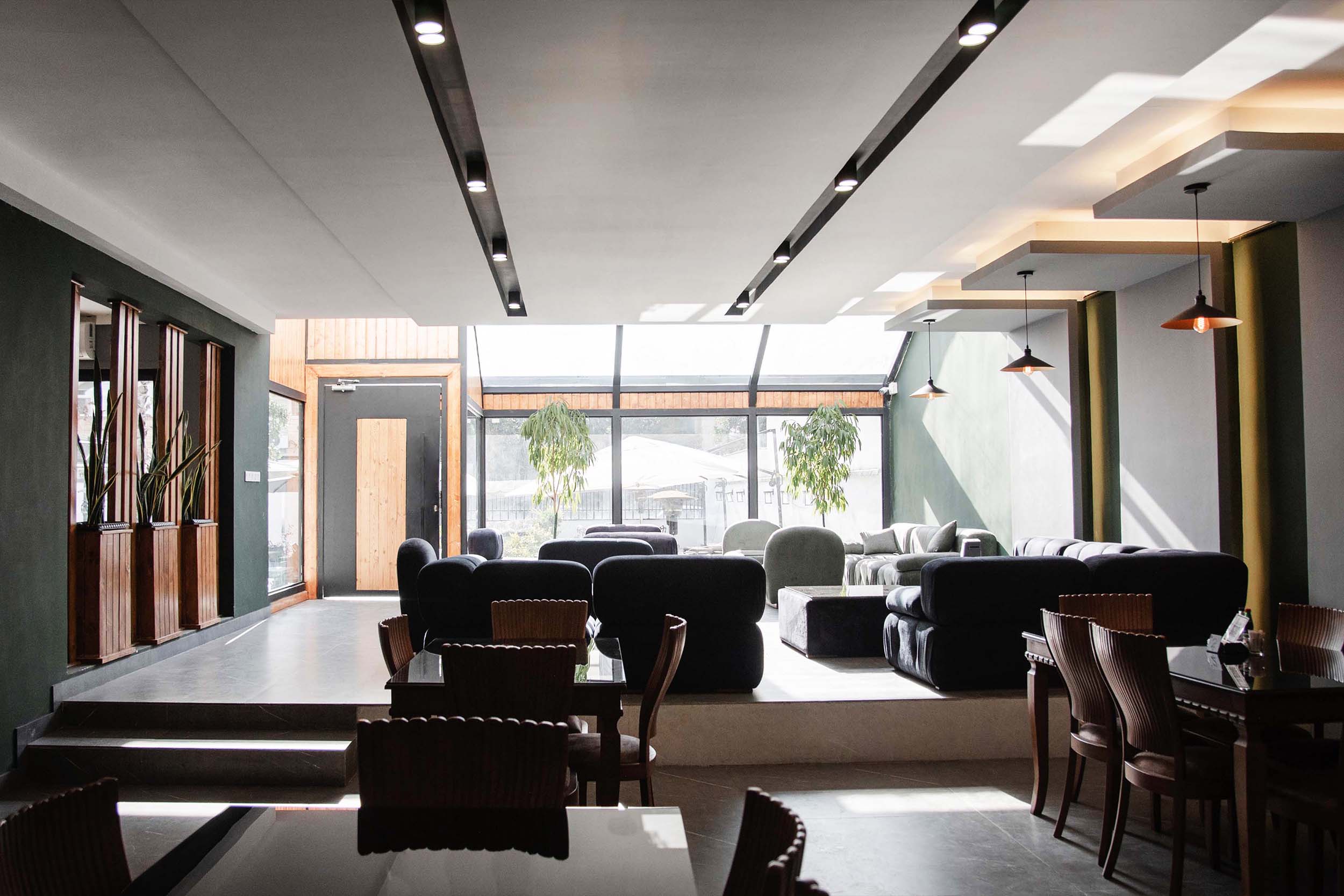
در ورودی کافه رستوران "مایا"، یک سقف شیب‌دار شیشه‌ای چشم‌نواز قرار دارد که نقش مهمی در ایجاد کریدور بصری بین فضای داخلی و بیرونی ایفا می‌کند. این طراحی، نه‌تنها ارتباط بصری جذابی برقرار کرده، بلکه در طول روز نور طبیعی کافی را به سالن داخلی وارد می‌کند و فضای روشن و دلپذیری را برای مهمانان ایجاد می‌کند.

متریال‌های باکیفیت و طراحی داخلی چشم‌نواز

در طراحی این کافه رستوران، از متریال‌های طبیعی و مقاوم مانند چوب، شیشه، فلز و رنگ‌های مات با بافت‌های ریز استفاده شده است.

  • ورودی: درب چوبی بزرگ با جزئیاتی از پروفیل‌های فلزی مشکی، اولین جلوه شیک و گرم را به بازدیدکنندگان ارائه می‌دهد.
  • فضای داخلی: مبلمان راحت و بزرگ در کنار میز و صندلی‌های چوبی، حس آرامش و راحتی را برای مشتریان به ارمغان می‌آورد.

جداکننده فضایی با طراحی هوشمندانه

یکی از ویژگی‌های برجسته "مایا"، استفاده از یک پارتیشن شیار‌دار با باکس‌های گل تزئینی است. این المان علاوه بر جدا کردن بخش‌های مختلف فضا، به زیبایی کلی محیط افزوده و از ایجاد حس دلگیری و انزوا جلوگیری کرده است.

"مایا" با ترکیبی از طراحی ساده و نورپردازی طبیعی، محیطی گرم و دلنشین را برای صرف غذا و نوشیدنی فراهم کرده است. این فضا، مکانی ایده‌آل برای تجربه‌ای متفاوت و به‌یادماندنی در یک کافه رستوران مدرن و خوش‌طراحی است.


▪️ Location: Golshahr 35, Gorgan

▪️ Project Area: 370 sqm

▪️ Year of Design: 2024 (1403 in the Iranian calendar)

▪️ Client: Mr. Karim Jafari

▪️ Type: Café & Restaurant


Maya Café-Restaurant – A Warm Minimalist Experience

Maya is a thoughtfully designed café-restaurant that combines simplicity with quality. Focused on delivering a unique spatial experience, the project balances visual appeal, user comfort, and budget efficiency—creating an environment that feels both elegant and inviting.


Entrance Design & Natural Lighting

The entrance is defined by a sloped glass canopy that creates a striking visual transition between exterior and interior spaces. This transparent roof not only enhances the visual connection but also floods the interior with ample natural light throughout the day, creating a bright, airy, and welcoming atmosphere for guests.


Interior Design & Material Palette

Maya’s interior is crafted using a mix of natural and durable materials, including wood, glass, metal, and soft matte finishes with subtle textures.

  • Main Entrance: A large wooden door, detailed with black metal profiles, makes a strong yet warm first impression.

  • Furniture: Spacious, comfortable seating combined with wooden tables and chairs fosters a relaxed and cozy dining environment.


Spatial Partitioning

One of Maya’s signature design elements is a grooved partition wall featuring built-in decorative planter boxes. This partition subtly separates different zones within the space while maintaining openness and visual flow, preventing any sense of isolation or enclosure.


A Cozy & Memorable Dining Experience

By blending minimalist design with natural light and tactile materials, Maya offers more than just a dining location—it creates an atmosphere of comfort, style, and calm. The result is a memorable, modern café-restaurant that invites guests to slow down, connect, and enjoy.

اطلاعات بیشتر

طراحی شهرک اقامتی گیلاس آبی

طراحی شهرک اقامتی گیلاس آبی

▪️ موقعیت: توشن، گرگان

▪️ مساحت عرصه: 22000 مترمربع

▪️ مساحت زیربنا: 2500 مترمربع

▪️ تعداد قطعات: 30 قطعه (طراحی لنداسکیپ)

 ▪️ سال طراحی پروژه: 1403

▪️ کارفرما: شرکت بازرگانی گیلاس آبی

▪️ کاربری: شهرک مسکونی

▪️ رویکرد طراحی: ایجاد تعادل میان طبیعت و سازه های معماری


شهرک اقامتی "گیلاس آبی" – ترکیب زیبایی و آرامش در حومه گرگان

پروژه "گیلاس آبی یک شهرک اقامتی خاص و منحصر به فرد است که در حومه‌ی شهر گرگان و در دل طبیعتی بکر و سرسبز واقع شده است. این شهرک در یک بافت روستایی با فضایی مشابه باغ طراحی شده و اقامتگاه‌های آن به سبک جذاب کلبه‌های سوئیسی ساخته شده‌اند. این طراحی، محیطی ایده‌آل برای تفریحات آخر هفته و دور شدن از هیاهوی زندگی شهری فراهم می‌کند.


چالش طراحی روی زمین شیب‌دار

یکی از ویژگی‌های خاص این پروژه، طراحی بر روی زمین‌هایی با شیب‌های طبیعی بوده است. این چالش طراحی به زیبایی هرچه تمام‌تر به یک فرصت تبدیل شده است و نتیجه آن، اقامتگاه‌هایی است که به‌طور هماهنگ با شیب زمین، در سطوح مختلف شکل گرفته‌اند. استفاده از سکوسازی با بتن و سیمان، تعادل و پایداری لازم را در این زمین شیب‌دار تضمین کرده است.

انتخاب متریال‌های طبیعی و گرم

برای بخش‌های داخلی ویلاها، متریال‌های چوب، فلز و شیشه به‌صورت هوشمندانه‌ای انتخاب شده‌اند:

  • چوب: حس گرما و طبیعی بودن را به فضا منتقل می‌کند و تناسبی زیبا با موقعیت کوهپایه‌ای این پروژه ایجاد کرده است.
  • فلز و شیشه: ترکیبی مدرن و شفاف که به نورگیری بهتر و نمایی باز از طبیعت سرسبز اطراف کمک می‌کند.


از جمله سایر امکانات مجموعه عبارت است از:
 آرامش در اولویت: طراحی فضا با هدف ایجاد محیطی دنج، آرام و به‌دور از هیاهوی شهری، تجربه‌ای متفاوت از سکونت را رقم می‌زند.

مرزبندی سبز، بدون دیوار: به‌جای دیوارکشی‌های رایج، حدود فضاها با پوشش گیاهی شکل گرفته‌اند تا حس آزادی و پیوستگی در سراسر سایت حفظ شود.

نور طبیعی در سراسر سایت: جهت‌گیری مناسب کلبه‌ها و باز بودن محوطه، باعث نفوذ نور طبیعی در تمامی بخش‌های سکونتی و عمومی مجموعه شده است.

مسیر پیاده و دوچرخه‌سواری: ایجاد مسیرهای اختصاصی پیاده‌روی و دوچرخه‌سواری، فضای امن و دلنشینی برای تحرک روزمره ساکنان فراهم کرده است.

اشراف به فضای سبز: هر واحد مسکونی با دید مستقیم و باز به محوطه سبز طراحی شده تا ارتباط دیداری با طبیعت همواره برقرار باشد.

امنیت: با طراحی نگهبانی وجود نگهبانی فعال در ورودی مجموعه، حس امنیت و آسودگی خاطر را برای ساکنان تضمین می‌کند.

تنوع گیاهی چشمگیر: با استفاده از بیش از 250 گونه گیاهی، محوطه‌ای غنی، زنده و چهارفصل شکل گرفته که طبیعت را به بخشی از زندگی روزمره تبدیل می‌کند.

زیبایی‌شناسی در جزئیات: از انتخاب متریال تا طراحی مبلمان و پوشش گیاهی، توجه ویژه‌ای به زیبایی و هماهنگی بصری در کل پروژه لحاظ شده است.


▪️ Location: Toushan, Gorgan

▪️ Land Area: 22,000 sqm

▪️ Built-up Area: 2,500 sqm

▪️ Number of Plots: 30 (landscape design)

▪️ Year of Design: 2024 (1403 in the Iranian calendar)

▪️ Client: Blue Cherry Trading Co.

▪️ Usage: Residential Complex

▪️ Design Approach: Balancing Nature and Architecture


"Blue Cherry" Residential Complex – A Harmonious Retreat Near Gorgan

The "Blue Cherry" project is a distinctive and thoughtfully designed residential complex nestled in the serene countryside on the outskirts of Gorgan. Set within a lush, untouched natural setting, the site merges the charm of a rural landscape with the aesthetic of garden-style living. Each residence follows the inviting architectural language of Swiss-style chalets, creating a tranquil escape perfect for weekend retreats and unwinding from the bustle of urban life.


Designing on a Natural Slope: Turning a Challenge into an Opportunity

One of the defining features of this project is its location on naturally sloped terrain. Rather than seeing the incline as a limitation, the design embraces it—crafting homes at various elevations that follow the land’s contours. Thoughtfully engineered terraces with concrete and cement foundations ensure both stability and architectural coherence across the site.


Natural Materials with Warmth and Transparency

The interior design of the villas incorporates a refined selection of natural and tactile materials, including:

  • Wood: Adding warmth and a sense of authenticity that harmonizes beautifully with the foothill setting.

  • Metal and Glass: Introducing a modern touch and ensuring expansive views and abundant natural light throughout the spaces.


Key Features and Amenitie


·  Peaceful Living First: The entire design prioritizes a quiet, cozy, and stress-free atmosphere—offering a unique residential experience far from city noise.

·  Green Boundaries, Not Walls: Instead of traditional walls or fences, natural vegetation defines private spaces—maintaining openness and continuity throughout the complex.

·  Natural Light Everywhere: Smart orientation and open site planning allow sunlight to reach every residential and communal space, enhancing well-being and energy efficiency.

·  Walking and Cycling Paths: Dedicated routes for pedestrians and cyclists offer residents safe and pleasant ways to stay active and engaged with the outdoors.

·  Uninterrupted Green Views: Each housing unit is designed with direct, open views toward landscaped gardens, fostering a constant visual connection to nature.

·  On-site Security: A guarded entrance and active security presence ensure peace of mind and safety for all residents.

·  Lush Biodiversity: With over 250 plant species integrated into the landscaping, the site remains vibrant and seasonally dynamic, weaving nature into everyday life.

·  Design in the Details: From materials and furniture to planting schemes, every design decision has been made with careful attention to aesthetic harmony and visual appeal.

اطلاعات بیشتر

طراحی شهرک مبلمان عطااباد

طراحی شهرک مبلمان عطااباد

▪️​ موقعیت: عطاآباد، آق قلا

▪️​ مساحت عرصه: 130000 مترمربع

▪️​ مساحت زیربنای پروژه: 170000 مترمربع

▪️​ تعداد قطعات: 150 قطعه (9 تیپ طراحی + طراحی لنداسکیپ)

▪️​ سال طراحی پروژه: 1402

▪️​ کارفرما: سازمان صنایع کوچک و شهرک‌های صنعتی استان گلستان

▪️​ رویکرد طراحی:  اقتصادی، گردشگری، انرژی

▪️​ کاربری: کارگاهی، نمایشگاهی


داستان مبل‌سازی از جایی شروع شد که جوانان عطا آباد برای اشتغال به دنبال فرصت‌های جدید مهاجرت کردند و در جستجوی راهی برای بهبود شرایط زندگی خود، صنعت مبلمان را به عنوان گزینه‌ای پرسود شناسایی کردند. این حرکت نه تنها باعث رونق اقتصادی در منطقه شد، بلکه به تدریج ایده‌هایی نو برای ایجاد زیرساخت‌های مناسب و ارتقای کیفیت تولیدات نیز شکل گرفت. در همین راستا، شرکت مهندسین مشاور برتر آزما وارد میدان شد تا با طراحی و پیاده‌سازی شهرک‌های صنعتی و تجاری ویژه تولیدکنندگان مبلمان، شرایطی مناسب برای توسعه این صنعت در سطحی حرفه‌ای و اصولی فراهم کند. هدف از احداث این شهرک، پاسخ به نیازهای مختلف تولیدکنندگان و متقاضیان است. یکی از مهم‌ترین چالش‌هایی که صنعت مبلمان در کشور با آن مواجه است، کمبود زمین و گرانی آن برای ایجاد کارگاه‌های تولیدی است. این مسأله باعث شده که بسیاری از کارگاه‌ها در شرایط نامناسب فعالیت کنند. از این رو، با احداث کارگاه‌های مبلمان در تعداد انبوه و در فضایی ایمن، هدف این است که تولیدکنندگان بتوانند به راحتی فعالیت خود را آغاز کرده و به توسعه کسب‌وکار خود بپردازند. در نهایت، با توجه به پتانسیل‌های گردشگری منطقه، این پروژه به دنبال اشتغال‌زایی و افزایش درآمد برای ساکنین محلی است که در کنار رونق اقتصادی، به توسعه پایدار و تقویت اقتصاد منطقه نیز کمک خواهد کرد.


هدف از احداث شهرک این است که تولید کنندگان بتوانند به نیاز های خود و نیاز های متقاضی پاسخگو باشند که برخی از  این نیازها عبارتند از :

•    کمبود و گرانی زمین در جهت ایجاده کارگاه های مبل سازی

•    ایجادکارگاه های مبل سازی به تعداد انبوه

•    ایجاد فضایی ایمن کارگاه های مبل سازی برای کارفرمایان و کارکنان

•     ایجاد  انبارهای بزرگ در شهرک برای دپوی مواد اولیه که در صورت لزوم تهیه  آن سریع و آسان صورت گیرد

•     ایجاد نمایندگی های مختلف در این راستا که در صورت لزوم تهیه آن سریع و آسان صورت گیرد

•    ایجاد فضاهای نمایشگاهی

•    ایجاد فضا و محیط امن و ایمن برای متقاضیان

•    ایجاد فضاهای خدماتی میل و خدمات رفاهی به مشتریان

•    ایجاد پارکینگ های ایمن برای کارکنان و مشتریان

•    ایجاد دسترسی های مناسب

•    ایجاد پیاده روهای زیبا و کاربردی  برای دسترسی آسان مشتریان به نمایشگاه ها

•    استفاده از پتانسیل های مختلف گردشگری منطقه در جهت اشتغال زایی و افزایش درآمد ساکنین محلی  و رونق بخشی به اقتصاد محلی


هدف از طراحی و اجرای سایت، ایجاد فضایی است که بر مبنای معماری و منظر سازی بومی باشد و در راستای جذب و جلب رضایت توریست‌ها و گردشگران، مدت اقامت آن‌ها را در استان افزایش دهد. این پروژه شامل عرضه محصولات محلی مانند مبل، غذاهای بومی و صنایع دستی است که می‌تواند به رونق این صنایع کمک کند. همچنین، با بهره‌گیری از پتانسیل‌های مختلف گردشگری منطقه، می‌توان به اشتغال‌زایی، افزایش درآمد ساکنین محلی و رونق بخشی به اقتصاد محلی دست یافت.

کانسپت اولیه طرح بر اساس اقلیم منطقه و ویژگی‌های فرهنگی آن شکل گرفته است. در این طرح، تلاش شده است تا از سنت و فرهنگ ترکمن استفاده شود. دو عنصر اساسی در فرهنگ ترکمن که در طراحی لحاظ شده‌اند، شامل فرش ترکمن و آلاچیق ترکمن هستند. فرش ترکمن با طرح‌هایی برگرفته از طبیعت و استفاده از اشکال هندسی ساده مانند لوزی و هشت ضلعی و تزئینات مختلف در اطراف آن، اساس ترکیب و ساختار خود را می‌سازد. همچنین، آلاچیق ترکمن که به نام "اوی" شناخته می‌شود، نماد مسکن و محل زیست در فرهنگ ترکمن است. این سازه با اسکلت متحرک و قابل حمل، با نمد و حصیرچوبی لوزی شکل پوشانده می‌شود و به عنوان یکی از نمادهای زندگی سنتی ترکمن‌ها در طراحی به کار گرفته شده است.

با احداث شهرک‌های صنعتی مبلمان در عطا آباد، تلاش شده است تا مشکلات کمبود زمین و گرانی آن حل شود، و در عین حال زیرساخت‌های مناسب برای رونق اقتصادی، اشتغال‌زایی و جذب گردشگران فراهم گردد. این پروژه بر اساس فرهنگ و معماری بومی منطقه طراحی شده است.


▪️ Location: Ataabad, Aq Qala

▪️ Site Area: 130,000 sqm

▪️ Built-up Area: 170,000 sqm

▪️ Number of Plots: 150 plots (9 design types + landscape design)

▪️ Year of Design: 2023 (1402 in the Iranian calendar)

▪️ Client: Golestan Province Small Industries and Industrial Parks Organization

▪️ Design Approach: Economic, Tourism-Oriented, Energy-Efficient

▪️ Usage: Workshop and Exhibition Spaces


Project Overview

The story of the furniture industry in Ataabad began when the youth of this village, seeking better employment opportunities, turned to furniture-making as a promising and profitable venture. This entrepreneurial shift not only revitalized the local economy but also inspired innovative ideas for developing proper infrastructure and improving the quality of production.

To support this growth, Bartare Azma Consulting Engineers took on the mission of designing and implementing specialized industrial and commercial parks dedicated to furniture manufacturing. The goal was to provide a professional, well-structured environment that meets the diverse needs of manufacturers and buyers alike.

One of the key challenges facing the furniture industry in Iran is the scarcity and high cost of land for establishing production workshops. This has forced many workshops to operate under suboptimal conditions. This project aims to address that issue by creating a large number of standardized, safe, and affordable workspaces, enabling producers to scale their operations effectively.

Given the region’s tourism potential, the project also aims to generate employment and increase local incomes, ultimately contributing to sustainable development and strengthening the regional economy.


Key Goals of the Furniture Industrial Park:

  • Addressing the shortage and high cost of land for furniture workshops

  • Mass development of workshop spaces

  • Creating a safe and secure working environment for both employers and employees

  • Establishing large storage warehouses for easy and quick access to raw materials

  • Setting up local dealerships to streamline the supply of necessary equipment and materials

  • Providing designated exhibition spaces

  • Ensuring a secure and welcoming environment for buyers and visitors

  • Offering service areas and customer amenities

  • Developing safe and accessible parking for staff and visitors

  • Implementing efficient access routes

  • Designing attractive and practical pedestrian walkways for easier access to exhibitions

  • Leveraging the region’s tourism potential to drive job creation and boost local income


Design Concept

The project is envisioned as a site that reflects local architecture and landscape traditions, aiming to enhance the tourist experience and encourage longer stays in Golestan Province. The park will offer locally made products such as furniture, traditional foods, and handicrafts, further supporting regional industries.

The initial concept was shaped by the local climate and cultural characteristics, particularly drawing from Turkmen traditions. Two key elements incorporated into the design are:

  • Turkmen Carpets: Known for their geometric motifs inspired by nature—like diamonds and octagons—and rich decorative borders, these carpets influenced the layout and aesthetics of the project.

  • Turkmen Yurts (Evi): A symbol of traditional Turkmen housing, the yurt features a movable wooden frame covered with felt or woven reed. It represents the mobile lifestyle and cultural identity of the Turkmen people and serves as a core architectural inspiration for the design.

By developing a dedicated furniture industrial zone in Ataabad, the project addresses critical spatial and economic challenges while establishing a strong foundation for sustainable growth, cultural preservation, and regional tourism development.

اطلاعات بیشتر

پشتیبان و مشاور حرفه‌ای شما

Your professional support and advisor

(8 صبح الی 4 بعداز ظهر پاسخگوی پرسش‌های شما هستیم)