
طراحی مرکز مدیریت بحران در استان گلستان
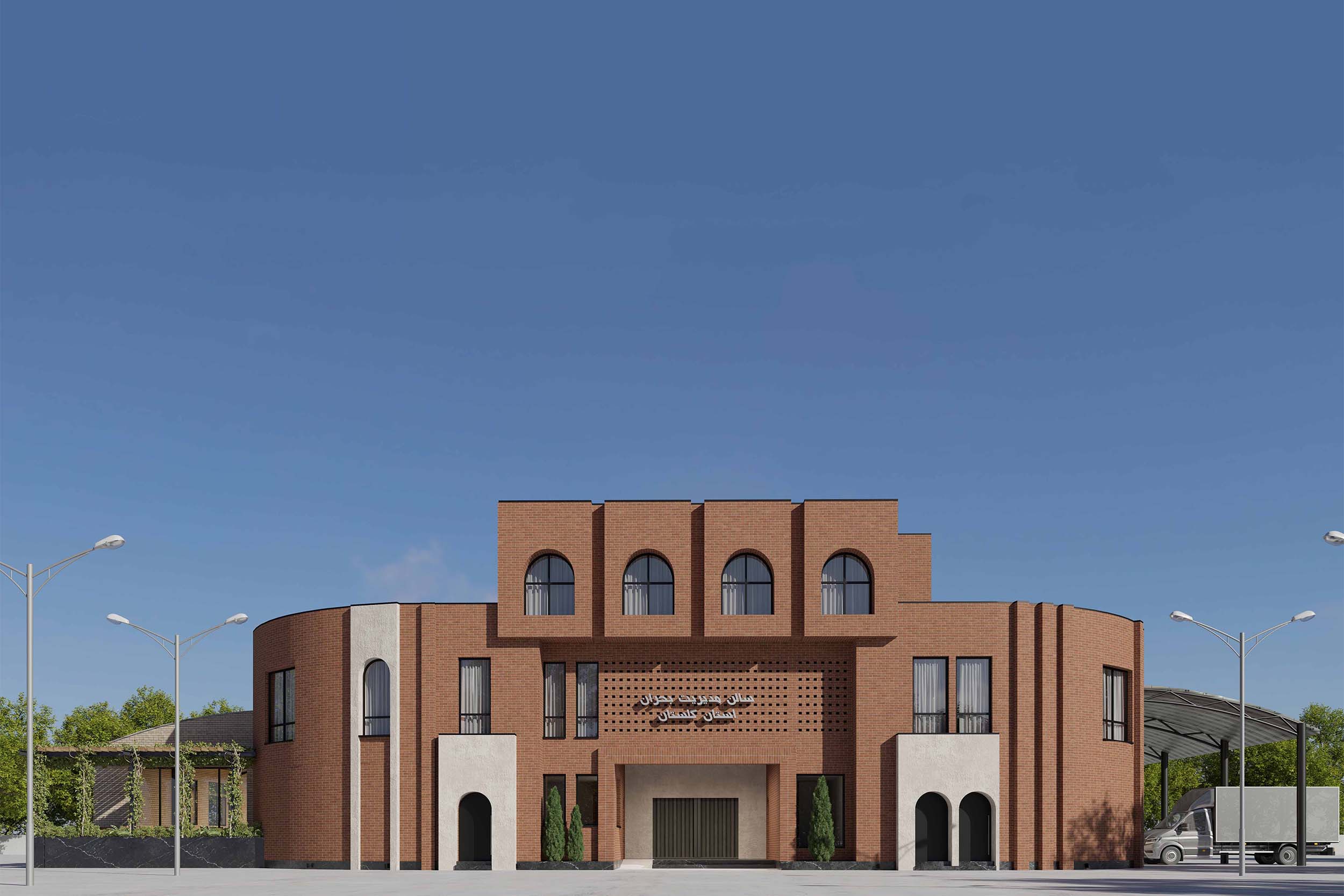
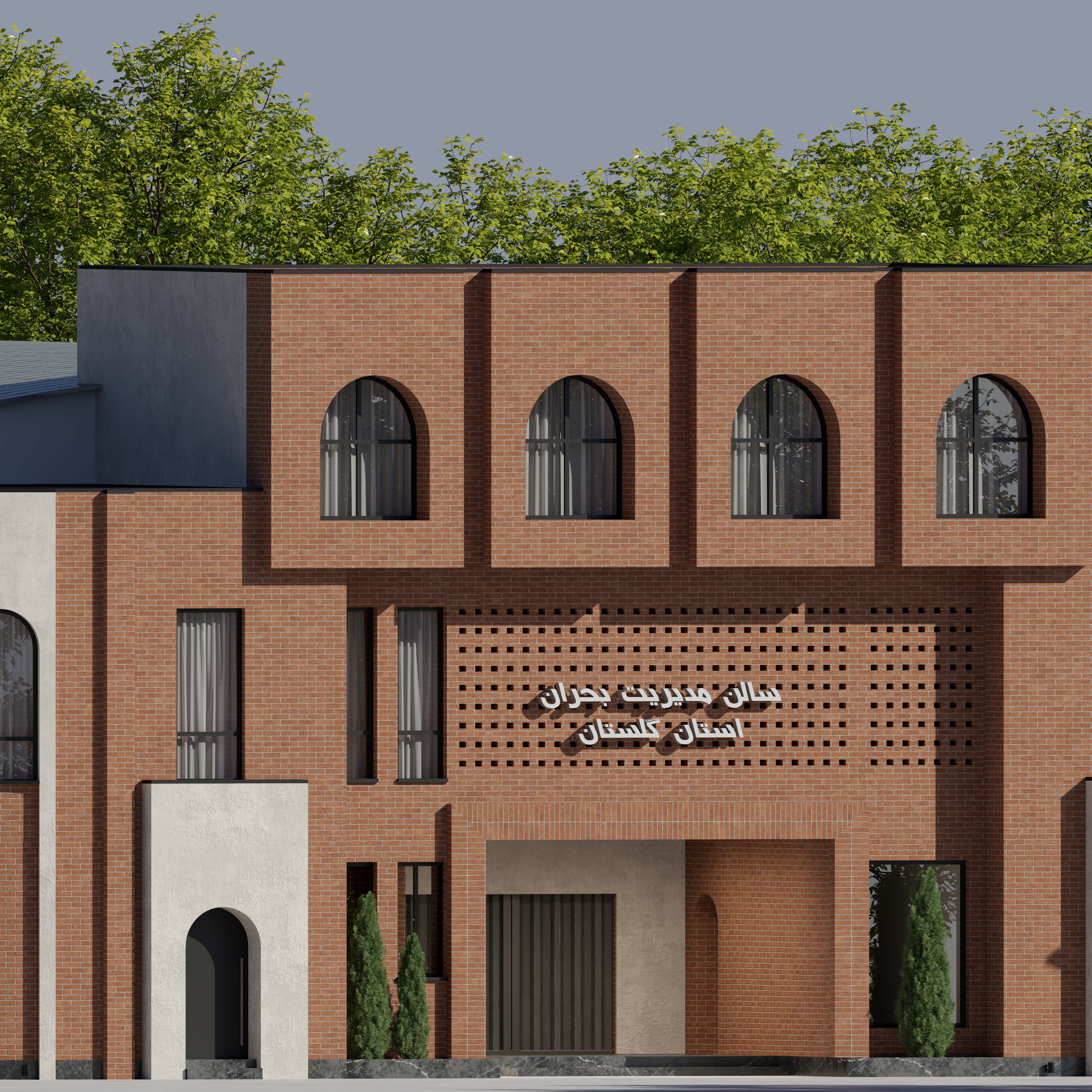
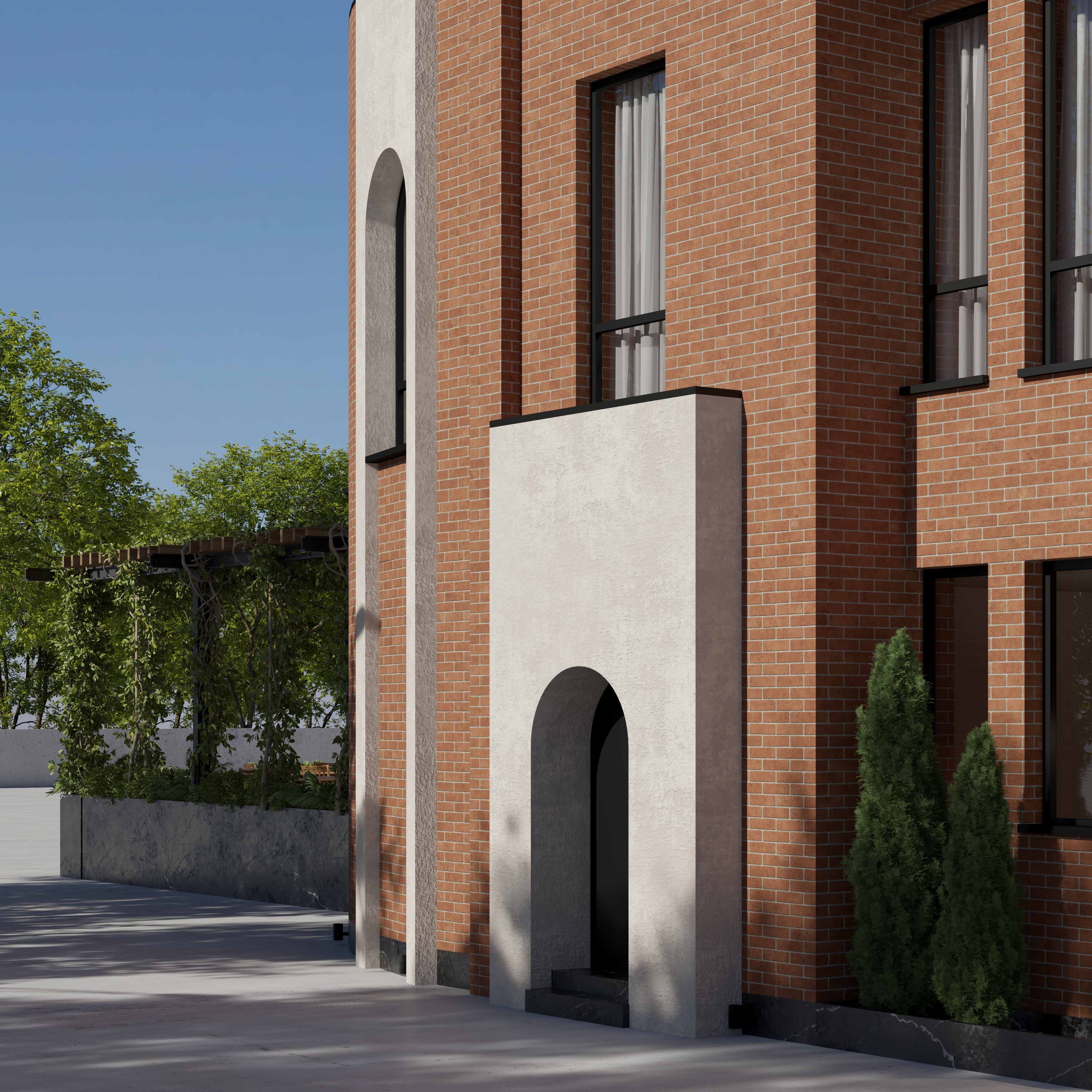
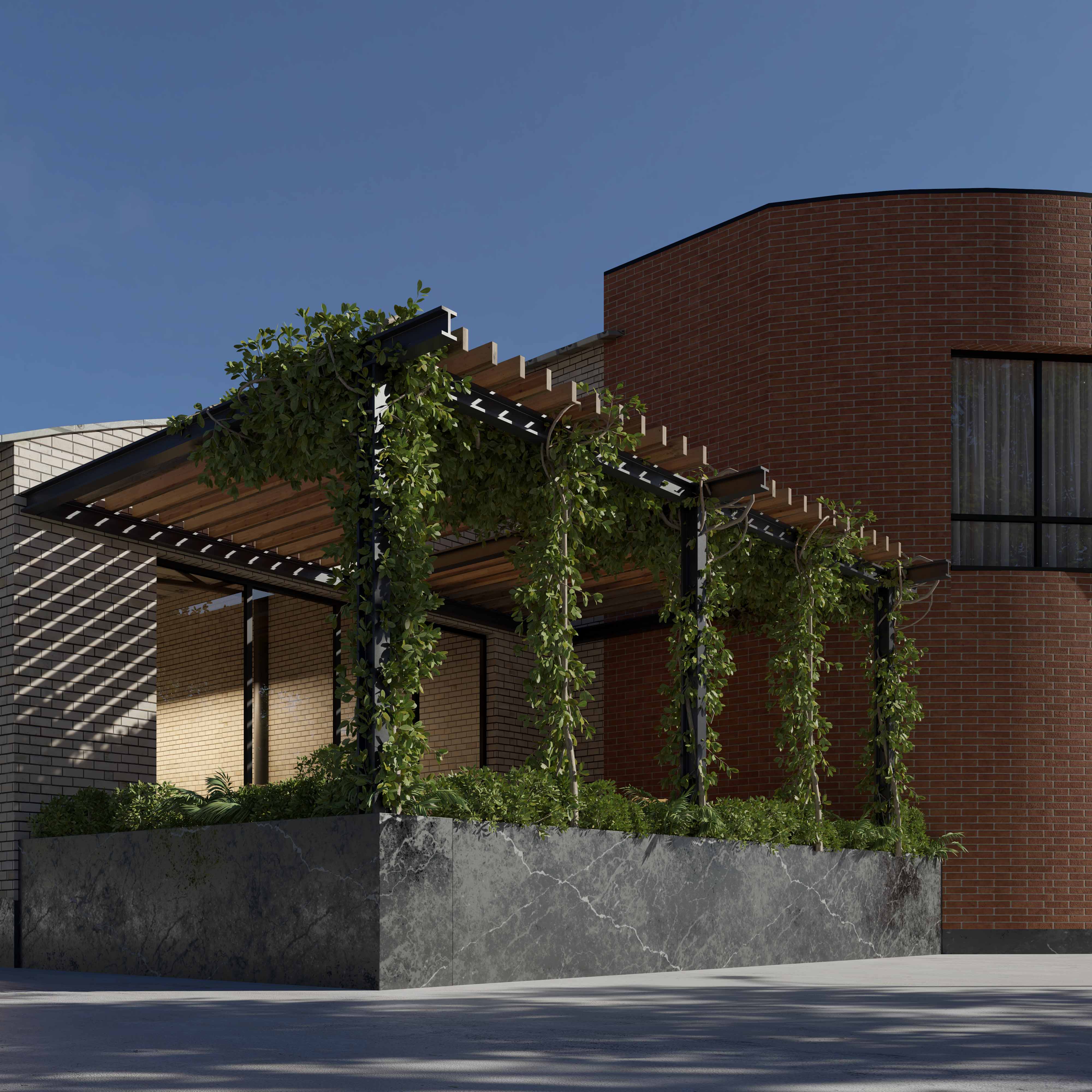
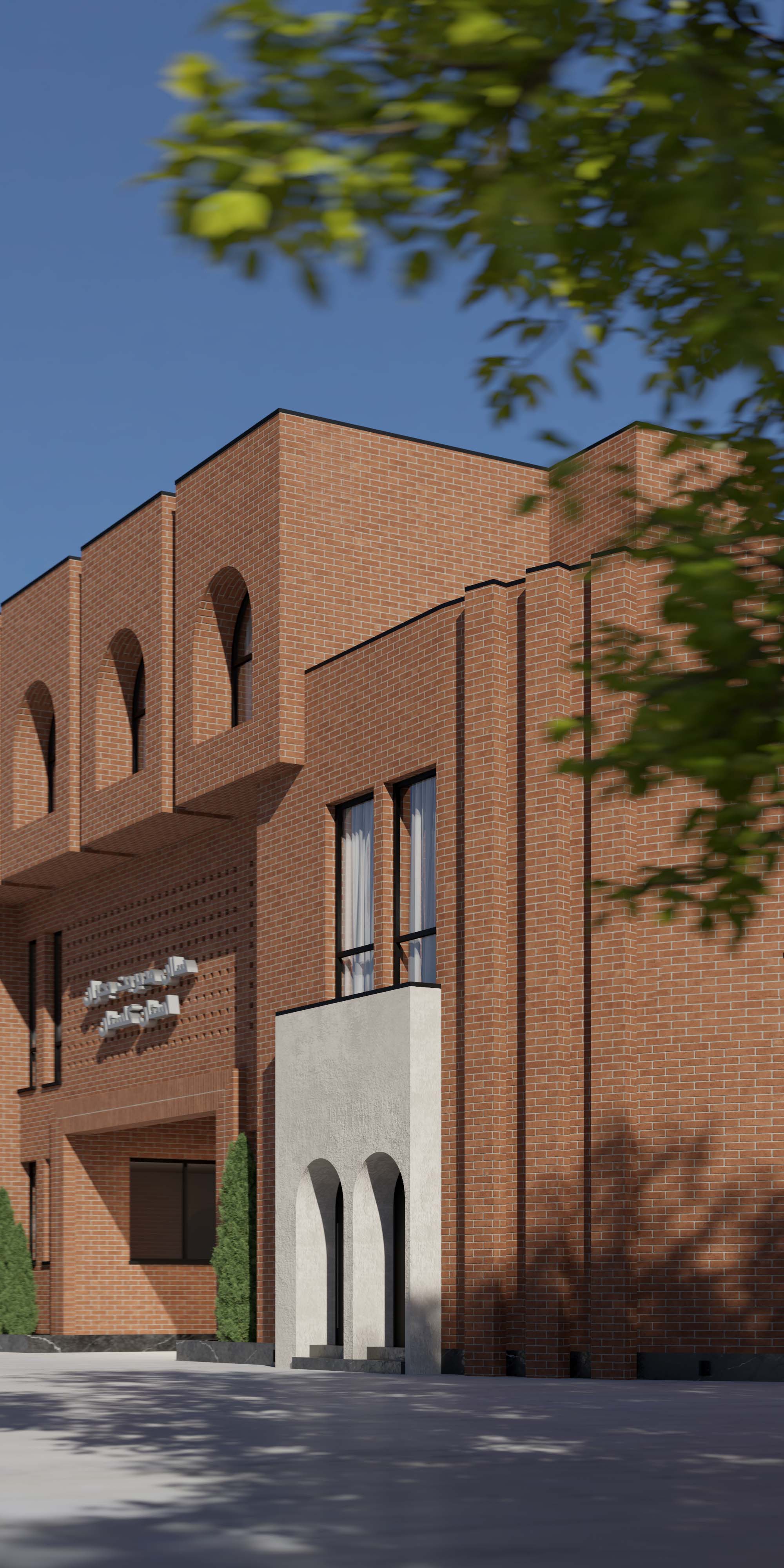
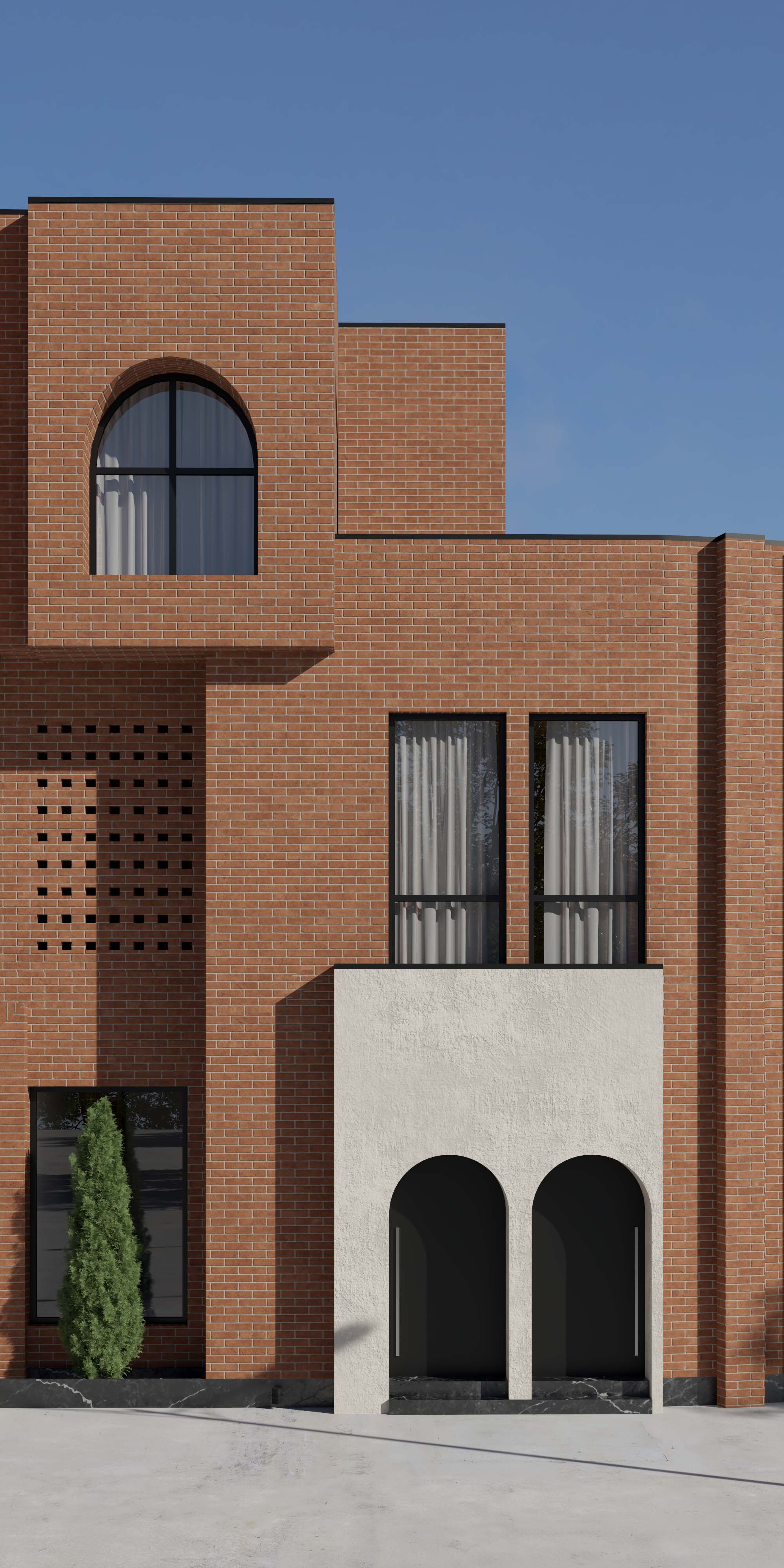
▪️موقعیت: سایت استانداری، گرگان، استان گلستان
▪️ مساحت پروژه: 500 مترمربع
▪️ سال طراحی پروژه: 1403
▪️ کارفرما: استانداری گلستان
▪️کاربری: چندمنظوره، اداری، خدماتی و ... رویکرد طراحی:امنیت پایدار
مقدمه: ضرورت طراحی مرکز مدیریت بحران در گلستان
استان گلستان با طبیعتی زیبا اما پرخطر، همواره در معرض حوادث طبیعی مانند سیل، خشکسالی و آتشسوزی قرار دارد. تجربهی سیل آققلا در سالهای اخیر نشان داد که عدم وجود زیرساختهای مناسب برای مدیریت بحران میتواند باعث افزایش خسارات جانی و مالی شود. در این راستا، طراحی یک مرکز مدیریت بحران کارآمد و چندمنظوره، ضرورتی اجتنابناپذیر به شمار میآید.
مبانی نظری طراحی مرکز مدیریت بحران
- وظایف کلیدی مراکز مدیریت بحران
یک مرکز مدیریت بحران حرفهای، وظایف متعددی را بر عهده دارد:
-
پیشبینی خطرات
-
آموزش و اطلاعرسانی
-
مدیریت منابع
-
هماهنگی نهادها در زمان بحران
-
و بازسازی پس از حادثه
- اهمیت طراحی فضاهای چندمنظوره و منعطف
معماری چنین مجموعهای باید بر اساس انعطافپذیری فضایی باشد؛ فضاهایی که در وضعیت عادی برای آموزش و فعالیت روزمره کارکنان استفاده میشوند و در شرایط بحرانی به انبار تجهیزات، سالن اسکان یا آشپزخانه مرکزی تبدیل میگردند.
چالشها و کمبودهای موجود در گلستان
- کمبود فضاهای امدادی، اقامتی و پشتیبانی
در حال حاضر، استان گلستان با مشکلاتی نظیر نبود انبارهای مناسب، کمبود فضای اقامت موقت، و فقدان زیرساختهای پشتیبانی برای نیروهای امدادی مواجه است. این موارد لزوم طراحی یک مرکز جامع را پررنگتر میکند.
اهداف طراحی مرکز مدیریت بحران گلستان
- اهداف کلان پروژه
-
فراهمسازی فضای پاسخگو به کلیه وظایف مدیریت بحران
-
استفاده بهینه از منابع از طریق چندعملکردی بودن فضاها
-
ارائه خدمات در قبل و بعد از وقوع بحران
- اهداف جزئی پروژه
-
طراحی انبارهای بزرگ برای ذخیره تجهیزات و مواد غذایی
-
ایجاد پارکینگهای مخصوص ماشینآلات سنگین
-
فراهمسازی محل اقامت برای مسئولان جهت نظارت و تصمیمگیری سریع
- اهداف اقتصادی پروژه
-
کاهش هزینههای بیرونسازمانی از طریق تأمین آشپزخانه و انبار داخلی
-
بهینهسازی متراژ با استفاده از فضاهای چندمنظوره با کاربری متغیر
برنامه طراحی و فضاهای عملکردی مرکز
1) حوزه اداری: فضایی برای مدیریت، تحلیل اطلاعات و هماهنگی بین سازمانها در زمان بحران و شرایط عادی.
2) حوزه اقامتی: محلی برای اقامت موقت کارشناسان و مسئولان در زمان وقوع حوادث، برای تصمیمگیری سریع و مؤثر در محل حادثه.
3) حوزه چندمنظوره: کاربرد روزمره بهعنوان فضای آموزشی، فرهنگی و ورزشی؛ اما در بحران، تبدیل به انبار تجهیزات یا محل اسکان اضطراری.
4) حوزه طبخ و تغذیه: در وضعیت عادی، یک آشپزخانه سازمانی است؛ ولی در بحران، به مرکز توزیع مواد غذایی و تغذیه آسیبدیدگان تبدیل میشود.
جمعبندی: معماری به عنوان ابزار مدیریت بحران
طراحی هوشمندانه و انعطافپذیر در پروژههایی مانند مرکز مدیریت بحران گلستان، نه تنها به کاهش خسارات کمک میکند، بلکه باعث ارتقاء آمادگی سازمانی و پاسخگویی بهتر به بحرانهای آتی نیز خواهد شد. این پروژه نمونهای است از معماری عملکردگرا و مسئولیتپذیر در برابر بحرانهای طبیعی.
Introduction: The Necessity of Designing a Crisis Management Center in Golestan Province
Golestan Province, with its stunning yet vulnerable natural environment, is frequently exposed to natural disasters such as floods, droughts, and forest fires. The recent Aqqala flood highlighted the consequences of lacking proper crisis management infrastructure, leading to increased human and economic losses. Therefore, designing an efficient and multifunctional crisis management center has become an urgent necessity.
Theoretical Foundations of Crisis Management Center Design
Key Functions of Crisis Management Centers
A professional Crisis Management Center carries out various critical functions, including:
-
Risk prediction and assessment
-
Education and public awareness
-
Resource management
-
Inter-agency coordination during crises
-
Post-disaster reconstruction and recovery
- Importance of Flexible and Multifunctional Space Design
The architecture of such a center must be based on spatial flexibility. Spaces should serve everyday purposes such as training and staff activities under normal conditions, and seamlessly transition into emergency shelters, equipment storage, or central kitchens during crises.
Challenges and Shortcomings in Golestan
Lack of Emergency, Residential, and Support Facilities
Currently, Golestan Province suffers from several shortcomings in crisis response infrastructure, including:
-
Inadequate storage spaces for emergency equipment
-
Insufficient temporary accommodation for affected individuals
-
Lack of support facilities for relief personnel
These gaps strongly emphasize the need for a comprehensive and integrated crisis management center.
Design Objectives of the Golestan Crisis Management Center
- General Objectives
-
Providing spaces capable of fulfilling all key crisis management functions
-
Optimizing resource use through multi-functional spatial planning
-
Offering services during both pre-disaster preparedness and post-disaster recovery
- Specific Objectives
-
Designing large-scale storage areas for emergency supplies and food
-
Establishing dedicated parking zones for large-scale emergency vehicles
-
Creating temporary accommodations for officials and decision-makers to enable on-site supervision and response
- Economic Objectives
-
Reducing external service costs by incorporating on-site kitchen and storage facilities
-
Minimizing built-up area through dual-use spaces operating on separate schedules
Design Program and Functional Zones of the Center
-
1. Administrative Zone:
A designated space for crisis coordination, information analysis, and inter-agency management during both normal and emergency conditions. -
2. Residential Zone:
Temporary lodging for officials and specialists during emergency situations, enabling swift and effective decision-making near disaster sites. -
3. Multipurpose Zone:
Used for training, cultural, and recreational activities in normal times, and transformed into shelters or storage facilities during crises. -
4. Cooking and Food Distribution Zone:
Functions as a service kitchen during normal operations, and becomes the main hub for food storage and distribution to affected individuals during emergencies.